ESWI Education Hub provides articles and links to important scientific papers, reviewed by the ESWI Board members, and other online educational activities
Search experts on our site

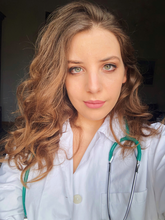
Marianna Ilarj Burgio
University of Palemro, Italy
I received my degree in Medicine and Surgery from the University of Palermo, Italy in 2020. Since 2021, I’ve been attending the Graduate School of Geriatrics and Gerontology from the same University. Before starting the Graduate School, I worked on the COVID-19 vaccination campaign as a vaccination doctor. My research is mainly focused on the most common diseases affecting older people, such as neurocognitive disorders. I’m the author of two articles published in international scientific journals.
Related content

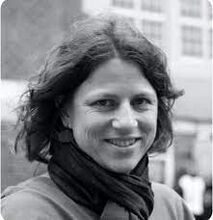
Mariette Ducatez
University of Toulouse, France
Nationality: French
Position: research director at INRAe, France
Research fields: Animal respiratory viruses
Mariette Ducatez is research director at INRAe, in Interactions Hosts-pathogens (IHAP) research unit. She worked in Luxembourg and then in the United States before coming to Toulouse. She has been a researcher in virology since 2006 with a particular interest in influenza viruses with a human-animal interface, and more generally animal respiratory viruses. She works both on animal virus surveillance projects (mainly in Africa), projects aimed at understanding the pathogenesis and transmission of these pathogens, as well as on issues of prevention and control of viral diseases.
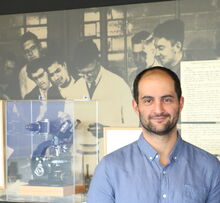
Marios Koutsakos
University of Melbourne, Australia
Dr Marios Koutsakos completed undergraduate and post-graduate studies at Imperial College in London. He subsequently undertook a PhD and post-doctoral training in the Department of Microbiology and Immunology, University of Melbourne, focusing on understanding protective immunity to influenza B viruses He is now a group leader at the Doherty Institute, working on dissecting the antigenic evolution of influenza viruses as well as the evolution of antibody-mediated immunity to influenza viruses in order to improve vaccine design.

Mark Eccleston-Turner
King's College London, UK
Dr Mark Eccleston-Turner is a Senior Lecturer in Global Health Law. He specialises in infectious diseases and international law, particularly the law of international organizations, pathogen sharing and equitable access to vaccines in a pandemic.
Mark has provided advice to the UK Foreign and Commonwealth Office and Department for International Development, and is a member of UK Parliament COVID-19 Outbreak Expert Database. He has appeared as a witness before the Foreign Affairs Select Committee, and has provided evidence to the Joint Committee on the National Security.
He has held visiting positions at the Brocher Foundation, in Geneva, Georgetown University School of Law, and as an Emerging Leader in Biosecurity Fellow at the Johns Hopkins Centre for Health Security. He has also worked as a Consultant to the World Health Organisation.
Mark regularly appears in national and international media to discuss international law and infectious diseases. His interviews have appeared on: Al Jazeera TV, Euronews, BBC News, Sky News, New York Times, Washington Post, South China Morning Post, and The Times. In 2021, in recognition of his work on equitable access to vaccines, Mark was made a Fellow of the Royal Society of the Arts.


Menno de Jong
Amsterdam UMC , The Netherlands
Nationality: Dutch
Position: Professor Clinical Biology, Chair of the department Medical Microbiology
After finishing medical school (1991) and completing his PhD research on HIV treatment (1996) at the University of Amsterdam, Menno specialized in clinical microbiology at the Academic Medical Center (AMC). He worked as consultant microbiologist at Leiden University Medical Center and the AMC (2000-2003) before moving to Ho Chi Minh City, Vietnam, where he set up and headed the Virology laboratories at the Oxford University Clinical Research Unit and Hospital for Tropical Diseases. In 2008, he returned to Amsterdam where he was appointed professor of clinical virology and chair of the Department of Medical Microbiology at the Academic Medical Center. After having chaired both departments at the AMC and VUmc since 2018, he is the chair of the merged Amsterdam UMC Department of Medical Microbiology & Infection Prevention since 2020.
As head of the Department, Menno de Jong’s interest in clinical microbiology and infectious diseases is broad and inclusive. However, inspired by his previous work on avian influenza in southeast Asia, his specific research interests remain focused on understanding the pathogenesis and improving treatment of influenza and emerging respiratory viruses, such as SARS-CoV-2. To this extent, his research activities include observational and interventional clinical studies in an international context, complemented by patient-oriented translational research embedded in these studies.

Meral Akçay
Sanofi Pasteur, France
Passion for people, virology and music! I am a people person who thrives from making connections between diverse, enthusiastic people to enable progress in the communities where I live and work.
Then comes my passion for learning, understanding and teaching others about viruses, mainly about influenza. About the fascinating ability of Influenza viruses to escape the immunity or become unpredictable. My work has taken me from Anatolia to the United States and now to France and hundreds of places in between, all in an effort to do my part in improving public health by bringing my expertise in vaccine development and sharing my knowledge about influenza with all relevant stakeholders to increase disease awareness and prevention.
And finally, music which is my refuge from busy everyday life, and which I believe has the magic power that connects people, and repairs souls. I sing when I need to find my way to my soul, and when I feel home-sick I play my baglama, an Anatolian folk music string instrument.

Pulmonologist and researcher at Erasmus Medical Center, Rotterdam, The Netherlands
Merel Hellemons
Pulmonologist and researcher at Erasmus Medical Center, Rotterdam, The Netherlands
Merel Hellemons is a pulmonologist at Erasmus MC, with a focus on lung transplantation. Together with her colleagues from the lung transplant team, she assesses and guides patients before and after a lung transplant. Hellemons has a special interest in (severe) interstitial lung disease, for which lung transplantation can sometimes be the last remaining treatment.
Furthermore, she is involved in post-COVID care, conducting scientific research and innovation on lung transplantation and recovery after COVID-19.

Michael Ison
NIAID/NIH, United States of America
Nationality: United States
Position: Chief, Respiratory Diseases Branch, Division of Microbiology and Infectious Diseases, NIAID/NIH
Research Fields: Antiviral therapy for RVI, Vaccination in Immunocompromised Hosts
Short description:
Dr. Michael Ison completed his medical school training at University of South Florida College of Medicine and obtained training in Internal Medicine at Oregon Health Sciences University in Portland, Oregon followed by Infectious Diseases at the University of Virginia. After spending 17 years as a Professor in the Divisions of Infectious Diseases and Organ Transplantation at Northwestern University Feinberg School of Medicine, he moved to become the Respiratory Disease Branch Chief within the Division of Microbiology and Infectious Diseases at NIAID/NIH.
During his fellowship, he was mentored by Drs. Frederick Hayden, Larisa Gubareva, and Tom Brachiale. His research focused on the immunopathogenesis of influenza and its treatment in immunosuppressed and hospitalized patients. He is currently also the Chair of the Antiviral Group of the International Society of Influenza and Other Respiratory Viruses. He has led a number of clinical studies focused on influenza, RSV and COVID-19 antivirals and vaccines at Northwestern University Feinberg School of Medicine, including the development of a serial sampling biobank, a convalescent plasma bank and a clinical datamart.

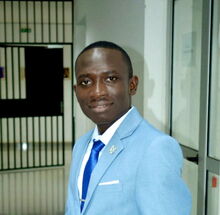
Missa Kouassi Firmin
Centre Suisse de Recherches Scientifiques en Côte d’Ivoire, Cote d'Ivoire
I am MISSA Kouassi Firmin. I hold a PhD in molecular microbiology from Félix Houphouët-Boigny University, and I am currently an associate researcher at Centre Suisse de Recherches Scientifiques Côte d’Ivoire (CSRS).
My research focuses on the role of the respiratory microbiome in the development and modulation of respiratory tract infections, including those caused by SARS-CoV-2, rhinoviruses, influenza A and B, and respiratory syncytial virus. I am particularly interested in how host–microbiome interactions influence susceptibility to infection. In addition, my work explores immune biomarkers associated with respiratory infections. Specifically, I investigate the role of secretory IgA (sIgA) and cytokine profiles in mucosal immunity. I have been actively involved in genomic surveillance of SARS-CoV-2 in school-age children in Côte d’Ivoire, as well as dengue virus.
I am also a member of a consortium working on vaccines to control respiratory pathogens and antimicrobial resistance across Africa. My work ultimately aims to bridge microbiome research, viral genomics, and vaccine strategies to enhance respiratory health in resource-limited settings.
Related content

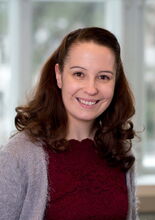
Monika Redlberger-Fritz
, Austria
Monika Redlberger-Fritz is a virologist at the Center for Virology at the Medical University of Vienna (Austria), specialised in influenza virus evolution, vaccine effectiveness, and current influenza vaccine research.
Her areas of responsibility are: Head of the National Reference Laboratory for the Detection and Surveillance of Human Influenza Virus Infections in Austria; Head of the National Reference Laboratory for Respiratory Syncytial Viruses Austria; Head of the Surveillance Network for Respiratory Viruses in Austria; and member of the National Vaccination Committee.

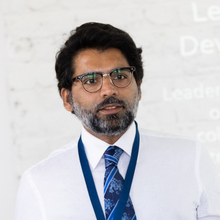
Nabil Jamshed
European Health Management Association (EHMA), UK
Nabil Jamshed, MSc MBA BBA
Guy's and St Thomas' NHS Foundation Trust, United Kingdom
Mr Nabil Jamshed works as a Head of Corporate Governance for Integrated Specialist Medicine Clinical Group and Chief of Staff at Guy’s and St. Thomas’ NHS Foundation Trust.
He has over 20 years of experience working in the NHS and, internationally, with the Ministry of Public Health and other health agencies in Qatar.
He has operating experience in working with a variety of boards in facilitating the development of effective governance structures and successful board dynamics. He has first-hand experience in introducing constructive governance and risk management models, developing national policy and strategy, working with several Integrated Care Systems (ICS) and understanding and experience in dealing with complex IT systems.
In addition to working with the NHS and health organisations, Nabil had worked in other sectors such as the English Cricket Board and charities, helping with governance and risk management developments and improvements.
As the elected member of the European Health Management Association (EHMA) Scientific Planning Committee, Nabil contributes to wider European healthcare management developments. He has a personal interest in the inclusion agenda and has led various developments within the NHS to support the Equality Diversity and Inclusion efforts and served as a co-chair of the NHS staff BAME network.
Last year, Nabil was appointed as a Non-executive Director at the Black Country Healthcare NHS Foundation Trust. He contributes to the national development and debate on the Equality Diversity and Inclusion through his active membership with the Seacole group of NHS NED and contributions to the APNA (Asian Professionals’ National Alliance) NHS which is a South Asian Heritage NHS Staff Leaders’ network across health and social care.
Related content

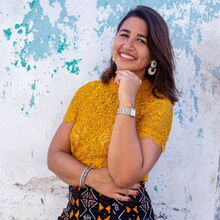
Natalie Mazur
University Medical Center Utrecht, The Netherlands
I am a clinician-investigator with a passion for translational research in pediatrics and global health. My interest and research focus is respiratory syncytial virus (RSV) and maternal vaccination. My research has created an overview of vaccine development with an urgent message to make vaccines accessible in the developing world, where the majority of the children die. I aspire to work as a research-oriented clinician scientist in pursuit of an effective low-cost vaccine against RSV.
Related content

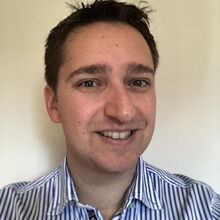
Nathan Brendish
University of Southhampton, United Kingdom, UK
Dr Nathan Brendish is a NIHR Clinical Lecturer in Infectious Diseases & General Internal Medicine. His research interests focus on the clinical impact of point-of-care tests for infectious diseases.
Dr Brendish’s expertise in rapid diagnostic tests in severe respiratory virus infection stems from his PhD under Professor Tristan Clark at the University of Southampton. Dr Brendish continues to be part of Prof Clark’s research group.
Dr Brendish was the lead study fellow on the ResPOC trial. The ResPOC trial was a large, pragmatic, randomised controlled trial of routine molecular point-of-care testing for respiratory viruses in adults presenting to hospital with acute respiratory illness versus standard care. This showed that multiplex molecular testing at the point-of-care for respiratory viruses improved diagnosis of influenza, improved appropriate neuraminidase inhibitor prescribing, improved appropriate use of isolation facilities, and decreased length of hospital stay. This seminal study was published in The Lancet Respiratory Medicine in 2017.
Dr Brendish was also the lead fellow for the CoV-19POC trial of molecular point-of-care testing for SARS-CoV-2, which also showed multiple clinical benefits of ultra-rapid PCR testing, and was published in The Lancet Respiratory Medicine in 2020.
Dr Brendish started his research career as a study physician in the NIHR Southampton Clinical Research Facility, focussing on malaria vaccine trials.
Related content
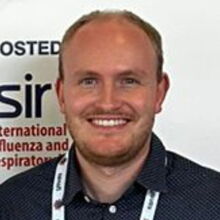
Nico Joel Halwe
Ludwig Boltzmann Gesellschaft, Austria
Dr. Nico Joël Halwe is a Postdoctoral Researcher at the Ludwig Boltzmann Institute for Science Outreach and Pandemic Preparedness (LBI SOAP) in Vienna, Austria in the lab of Prof. Dr. Florian Krammer. Here, he focuses primarily on establishing a metagenomic virus discovery pipeline, following virus characterization approaches in vitro and in vivo.
Until May 2025, he was a PostDoc at the Friedrich-Loeffler-Institute in the Institute of Diagnostic Virology under supervision of Prof. Dr. Martin Beer in Greifswald – Isle of Riems in Germany, where he also completed his PhD from 2020 – 2023. During his PhD, he focused on the in vivo characterization of the newly discovered bat-borne influenza A virus H9N2, as well as the fitness determination of emerging SARS-CoV-2 variants in diverse animal models. During his PostDoc at the FLI, he worked on the development and testing of safe and protective live-attenuated SARS-CoV-2 vaccine candidates in animal models, and he investigated the susceptibility of lactating dairy cattle to an experimental H5N1 clade 2.3.4.4b influenza A virus infection. Moreover, he continued his efforts in bat-borne H9N2 influenza A virus characterization and its surveillance in Africa.


Nicole Ngai Yung TSANG
, Hong Kong
Dr Nicole Tsang is currently a Post-doctoral Fellow in the School of Public Health, the University of Hong Kong. Nicole obtained her MPH with distinction and PhD in the University of Hong Kong. Her research work primarily focuses on the public health and epidemiological considerations in the control of epidemic and pandemic respiratory infections, including the vaccine effectiveness, vaccine side effects profiles, vaccine acceptance, impact of school-based vaccination programme, effective disease control and vaccination strategies in community settings, diagnostic test performance, and novel approaches for disease surveillance to inform situational awareness of evolving epidemics.
Nicole is involved in facilitating several postgraduate public health modules. She is an Associate Fellow of the Advanced Higher Education, and a member of the European Respiratory Society Clinical Practice Guidelines Methodology Network, and the European Society of Clinical Microbiology and Infectious Diseases Evidence Review Group.


Norah Casey
Broadcaster, entrepreneur and human rights campaigner, Ireland
Broadcaster, entrepreneur and human rights campaigner Norah Casey was formerly a Dragon in the popular television series Dragons’ Den and is a well-known radio and television personality. The 2nd Edition of her book Spark! was recently published by Penguin and her TEDx talks include The Cure for Grief and The Courage to leave (her own testimony of domestic violence). Her digital learning platform Planet Woman seeks to empower women, and much of her pro-bono work is devoted to mentoring female founders globally. She serves on the European Board for Vital Voices, established in 1997 by Hillary Rodham Clinton and U.S. Secretary of State Madeleine Albright. She is a founder of the London-based Women's Irish Network and is a member of The International Women's Forum. Norah is currently serving on the Irish government Forum on a Family Friendly and Inclusive Parliament.
A journalist and former nurse, her awards include: Woman of the Decade Award from the Women’s Economic Forum in Delhi; Ireland’s Philanthropist of the Year award; five times Publisher of the Year; and Veuve Clicquot Business Woman of the Year. Her work to highlight domestic violence was recognised with a Safe Ireland SÍLA Leadership Award and she received the 2019 Lord Mayor Of Dublin Award. She is an Honorary Fellow of the Royal College of Surgeons and received the Honorary Graduate Award for 2018 from BFEI.
As well as owning Harmonia Publishing Ltd, Norah is an experienced broadcaster and producer. She was the Ambassador for Dublin Honours Magdalenes and executive producer of the 2022 television documentaries Ireland’s Dirty Laundry. Her work can be viewed at norahcasey.com.
Norah’s business expertise is extensive having acquired and grown multiple business to multi-million euro global success stories, as well as a wide range of business investments in Ireland and internationally. She has mentored leading global business leaders, politicians and public figures. Her corporate expertise includes leadership, corporate teambuilding, mentorship, innovation and strategy.

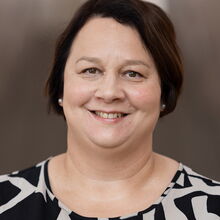
Paula Tähtinen
ESWI Board Member, University of Turku, Finland
Nationality: Finnish
Position: Clinical Lecturer and Adjunct Professor, Paediatrics and Adolescent Medicine, University of Turku
Research Fields: respiratory tract infections, especially acute otitis media
ESWI member since 2022
Dr. Tähtinen received her Doctor of Medicine from the University of Turku in 2004. After graduating, she worked as a GP and resident in paediatrics in Central Finland and then as a PhD student at the University of Turku. In 2012, she successfully defended her PhD thesis entitled “Treatment of acute otitis media”. The same year, she received the ESPID Young Investigator Award and was selected as a Researcher of the Year by the National Graduate School of Clinical Investigation. After obtaining her PhD degree, Dr. Tähtinen continued her specialisation in paediatrics at the Turku University Hospital, Department of Paediatrics and Adolescent Medicine.
In 2013-2015 and in 2017 Dr. Tähtinen moved to the United States to work as a Postdoctoral Research Fellow at the Boston University School of Medicine and Harvard T.H. Chan School of Public Health. During her time in Boston, Dr. Tähtinen also studied at the Harvard Medical School Global Clinical Scholars Research Training Program in which she graduated in 2015.
Currently, Paula Tähtinen is an Adjunct Professor and Clinical Lecturer at the University of Turku, Finland. She is also working as a paediatrician at Turku University Hospital. She is leading her own research group with the main focus on prevention and treatment of respiratory tract infections. Dr. Tähtinen has been actively involved in the development of scientific and professional education at the University of Turku. She has also served as a Young ESPID (European Society for Paediatric Infectious Diseases) country representative and a committee member at the ESPID Research Networking Committee. In 2022, Dr. Tähtinen received the Helena and Niilo Hallman Prize for the best young researcher in the field of paediatrics.
Related content
- Burden of disease in acute respiratory virus infections
- ESWI invites coalition partners: Life Course Immunisation: A Seamless Approach to Protection Across All Ages
- What is the difference between influenza and a common cold?
- Immunisation & Treatment - Societal benefits of immunising children
- Webinar: Immunisation & Treatment
- Respiratory tract infections in children - our paediatrician's insight and bold vision for the future
Peter Openshaw
ESWI Board Member, Imperial College, UK
Nationality: British
Position: Respiratory physician and mucosal immunologist, Professor of Experimental Medicine, Imperial College, London
Research fields: Lung immunology, RSV, received a lifetime achievement in work on RSV research (Chanock prize, US, in 2012)
ESWI member since 2008
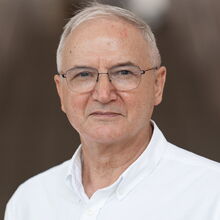
Peter Openshaw MD PhD CBE is Professor of Experimental Medicine at Imperial College London, UK. A respiratory physician and mucosal immunologist, his research focuses on how the immune response both protects against viral infection but also causes disease.
He has published widely on vaccinology, the immunopathogenesis of pulmonary viral diseases and lung inflammation. He is especially known for his work on respiratory syncytial virus (RSV), influenza and COVID-19, and for the development of human challenge in volunteers. He has co-authored over 400 publications and has an h-index of 105 (Google Scholar accessed Aug 2024). See also: https://orcid.org/0000-0002-7220-2555.
He was the first clinical President of the British Society for Immunology (2013-18) and served on many grant committees and Advisory Boards, becoming an Honorary Lifetime Member of the British Society for Immunology (2019). He has received prizes for his lifetime contribution to RSV research (Chanock Award, 2012), the European Federation of Immunological Societies Award (2014) and the Per Brandtzaeg Distinguished Scientific Achievement Award in mucosal immunology (2024).
He has built strong connections with journalists in print, radio and TV and used social media to promote accurate reporting of science stories, especially in relation to vaccines and respiratory disease. For example, he appeared over 100 times on national and international TV and radio between March 2021 and March 2022, explaining the complexities behind the COVID-19 pandemic response.
He advised the UK government on pandemics (SAGE, 2009-12; Chair/Vice-Chair of NERVTAG, 2015-2022). He was made a Commander of the British Empire for services to Medicine and Immunology in the 2022 UK New Year’s Honours and received the 2024 Imperial College Medal for his work as a Consul, supporting the development of the university’s Ethos, Values and Behaviours (Respect, Collaboration, Excellence, Integrity and Innovation).
Related content
- RSV - the bumpy road towards a vaccine
- Is RSV a serious illness?
- How can you tell the difference between RSV and other respiratory diseases, like COVID-19 or influenza?
- ESWI Respiratory Virus Summit 2024 recap video
- Targeted metagenomics reveals association between severity and pathogen co-detection in infants with respiratory syncytial virus
- ESWI Summit 2024: Conclusions
- Welcome By The Co-Chairs at the Respiratory Virus Summit 2024
- Immunisation & Treatment - New approaches to influenza prevention and treatment - lessons learnt from COVID- 19
- Webinar: Immunisation & Treatment
- ESWI Respiratory Virus Summit 2024
- ESWI Symposium: RSV Looking towards the future
- RSV looking towards the future
- Respiratory Virus Summit 2023
- “Flu, COVID and RSV: How to vaccinate?” symposium at Options XI
- A mucosal perspective on pandemics
- Using correlates to accelerate vaccinology
- RSV Disease in a COVID-19 era
Rebecca Cox
University of Bergen, Norway
Nationality: British
Position: Professor of Medical Virology and head of the influenza Centre
Research Fields: Development and evaluation of influenza vaccines, SARS CoV-2 long term complications
Short description:
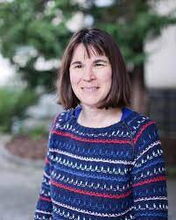
Rebecca Cox is professor in medical virology and head of the Influenza Centre at the University of Bergen, Norway leading a team of scientists. Rebecca Cox completed her Ph.D. in 1995 at the London Hospital Medical College, University of London, UK before post doc positions at Guys Hospital, UK and the University of Bergen, Norway. She has >25 years of experience of influenza work particularly in development and evaluation of influenza vaccines. During the COVID-19 pandemic she led studies on SARS CoV-2 infection and vaccination and long term follow up of complications in Western Norway. She has served as advisor to the WHO SAGE Immunization Working Group on Influenza, the Norwegian epidemic and pandemic committee and European Medicines Agency (EMA). Her research focuses on development and evaluation of influenza vaccines with particular focus on human immune responses to infection and vaccination. She currently sits on the EMA Scientific working group on vaccines and the European Expert Group on SARS-CoV-2 variants. She is deputy chair of Influenza and Other Respiratory Viruses and senior editor for the journal Influenza and Other Respiratory Viruses. She is author of more than 100 peer-reviewed papers and regularly contributes to the public debate on Influenza, SARS CoV-2 and vaccines through multi-media channels.
Related content

Richard Webby
St. Jude Children's Research Hospital, Tennessee, United States of America
Richard Webby is a Member of the Department of Infectious Diseases at St Jude Children’s Research Hospital and Director of the World Health Organization Collaborating Center for Studies on the Ecology of Influenza in Animals. He has a research program, funded by ALSAC, the fundraising arm of St Jude, and the US National Institutes of Health, that focuses on influenza viruses at the human-animal interface. This work involves virologic and serologic surveillance activities in animal and human populations to determine the prevalence of influenza viruses present.
Further laboratory-based research sets out to understand the mechanisms behind various viral phenotypes. His expertise is in influenza virology and he has substantial experience in vivo and in vitro models of influenza virus replication, pathogenicity, and transmission. Data collected through the above activities feeds into the WHO GISRS system for risk assessment of circulating influenza viruses and, where appropriate, subsequent pandemic preparedness activities such as candidate vaccine virus production and distribution.
Rino Rappuoli
GSK, Italy
Bio coming soon...
Related content
The Epidemiology, Biostatistics and Prevention Institute, University of Zurich, Switzerland
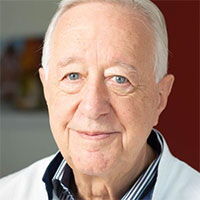
Robert Steffen
The Epidemiology, Biostatistics and Prevention Institute, University of Zurich, Switzerland
Robert Steffen, Professor Emeritus at the University of Zurich was the Head of the Division of Communicable Diseases in the Epidemiology, Biostatistics and Prevention Institute and Director of a World Health Organization (WHO) Collaborating Centre for Traveller's Health. He also is Adjunct Professor at the University of Texas School of Public Health in Houston.
In the 1970’s he started systematic research in morbidity and mortality of illnesses and accidents related to international travel. Meanwhile he has (co-)authored over 400 publications, among them many relating to vaccination. He was the Editor-in-Chief of the Journal of Travel Medicine, of the International Journal of Public Health and Section Editor for Clinical Infectious Diseases. In the 27 years of his tenure at the Zurich University Center for Travel Medicine he supervised over 1 million vaccinations as in that travel clinic there were almost 20,000 consultations per year.
Robert Steffen presided the Swiss Federal Commission for Influenza; he was Vice- President both of the Federal Commission on Vaccination and of the Swiss Bioterrorism Committee. The WHO often has invited him to advisory boards, such as during the revision of the International Health Regulations (IHR). During the Ebola outbreaks in West Africa 2014-2016 and 2018-2020 in the DRC he served as Chair of the Ebola Emergency Committee.
Related content

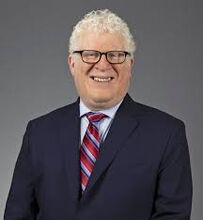
Robert Gabbay
Chief Scientific and Medical Officer, American Diabetes Association,
Robert A. Gabbay, MD, PhD, FACP, is the Chief Scientific and Medical Officer for the American Diabetes Association (ADA), the global authority on diabetes. Dr. Gabbay leads the ADA’s efforts to drive discovery within the world of diabetes research, care and prevention.
Previously, Dr. Gabbay served as the Chief Medical Officer and Senior Vice President at Joslin Diabetes Center, and Associate Professor at Harvard Medical School. At Joslin, he oversaw the clinical care for over 25,000 patients, as well as the education and care programs Joslin delivers nationally and internationally. His research focused on innovative models of diabetes care to enhance diabetes outcomes and improve the lives of people with diabetes. The reach of his work has been recognized through leadership roles in national and international activities to transform diabetes care.
Dr. Gabbay completed his B.Sc. Degree at McGill University and his PhD in Biochemistry from the University of Wisconsin where he published on mechanisms of insulin signaling. He then went on to get his medical degree from the State University of New York at Brooklyn School of Medicine with a residency in Internal Medicine at New York Hospital-Cornell and fellowship in Endocrinology, Diabetes and Metabolism at a joint Joslin-Beth Israel Deaconess-Brigham and Women’s Hospital program at Harvard. Dr. Gabbay was a visiting scientist at MIT and a Professor of Medicine at Pennsylvania State University College of Medicine and founding director of the Penn State Institute of Diabetes and Obesity before his tenure at Joslin.
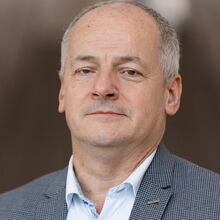
Roman Prymula
ESWI Board Member, Charles University, Prague, Czech Republic
Nationality: Czech
Position: Professor of Epidemiology, Charles University, Prague; and Chair, School of Public Health, Postgraduate Medical School, Prague
Research fields: Preventive medicine, clinical development of new vaccines (pneumococcus; rotavirus; measles, mumps, rubella (MMR); and human papillomavirus)
ESWI member since 2013
Professor Roman Prymula holds the position of Professor of Epidemiology at the Charles University in Prague, School of Medicine Hradec Kralove, Department of Preventive Medicine and Chair of the School of Public Health, Postgraduate Medical School Prague at the same time.
He received his medical degree from Charles University, Prague in 1988 and his PhD from Purkyne Military Medical Academy, Hradec Kralove in 1999. Prof. Prymula also studied at the University of Birmingham, UK, where he completed an International Certificate in Hospital management in 1995. In 1996 he became associate professor of epidemiology.
He has been involved in various research activities in preventive medicine, including clinical development of new vaccines, such as those for pneumococcus; rotavirus; measles, mumps, rubella (MMR); and human papillomavirus. In addition to his active research and teaching activities, he has served as a member of the European Centre for Disease Prevention and Control (ECDC) management board, Chairman of the Central European Vaccination Awareness Group, and Chairman of the Czech Vaccinological Society JEP.
Prof. Prymula is on the editorial board of several scientific journals and serves as a consultant for several national and international organisations. He is the former Minister of Health in the Czech Republic.