ESWI Education Hub provides articles and links to important scientific papers, reviewed by the ESWI Board members, and other online educational activities
Search experts on our site


Jennifer ZHONG
The University of Hong Kong, Hong Kong
I completed my undergraduate studies at the University of Toronto where I studied global health and immunology. While in Toronto, I also worked for the Health Canada Drug Analysis Service (DAS) and with the Institute for Clinical Evaluative Sciences (ICES), sparking my interest in public health research. Afterwards, I spent a summer in Shenzhen, China as a research assistant in a microbiology lab. This helped me realize my strengths and interests lay more in computational and data-driven work than in the wet lab. Encouraged by my supervisor, I explored doctoral opportunities in Hong Kong and ultimately joined the University of Hong Kong (HKU) for my PhD. In between, I moved back to Vancouver for a year, where I conducted cost-benefit analyses for a local orthodontics clinic.


João Filipe Raposo
IDF Europe, Portugal
João Filipe Cancela Santos Raposo graduated in Medicine in 1988 in Lisbon and got his PhD in Medicine – Endocrinology in 2004 in Lisbon. He had his Endocrinology residency in the Portuguese Cancer Institute, being a Consultant of Endocrinology at APDP – Diabetes Portugal since 2006. He is a member of the Executive Committee of the DESG (Diabetes Education Study Group) and Board Member of IDF – Europe Currently he is an Assistant Professor of Public Health in the NOVA Medical School of Lisbon, Clinical Director of APDP – Diabetes Portugal and President of the Portuguese Society of Diabetology.

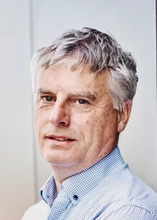
Johan Neyts
KU Leuven, Belgium
Johan Neyts (CV) is full professor of virology at the University of Leuven, Belgium. He teaches virology at the medical school and at the school of dentistry. His lab has a long-standing expertise in the development of antiviral strategies and drugs against emerging and neglected viral infections (such as dengue and other flaviviruses, Chikungunya, enteroviruses, noroviruses, coronaviruses, HEV and rabies). His lab is also intensively involved in the development of antivirals against SARS-CoV2. A second focus of the lab is the development of novel vaccine technologies. To that end the yellow fever vaccine is being used as a vector. Using this technology the team developed a potent single shot SARS-CoV2 vaccine candidate. The PLLAV (Plasmid Launched Live Attenuated Virus) technology, together with the team of Prof. Kai Dallmeier also developed in his lab, allows to rapidly engineer highly thermostable vaccines against multiple viral pathogens. Johan Neyts is past president of the International Society for Antiviral Research (www.isar-icar.com). He is the co-founder of KU Leuven spin-offs AstriVax www.astrivax.com and Okapi Sciences. Four classes of antivirals discovered in his laboratory have been licensed to major pharmaceutical companies (two on HCV, one on dengue and one on rhino/enteroviruses). He published >625 papers in peer reviewed journals and has given ~300 invited lectures; he is regularly interviewed by lay-press.

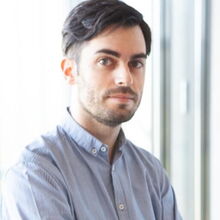
Johan van der Plas
Leiden University Medical Center, The Netherlands
Johan L. van der Plas is a physician and clinical pharmacologist at the Leiden University Medical Center, the Netherlands. He is currently attending his specialist training to become a certified Clinical Microbiologist. He defended his PhD titled ‘Advances in Clinical Development for Vaccines and Therapeutics against Respiratory Virus Infections’ in 2023. His PhD was conducted at the Centre of Human Drug Research (Leiden) and consisted of early phase clinical trials for vaccines against RSV and influenza, antivirals against SARS-CoV-2 and explored innovative clinical trial and regulatory infrastructures to expedite clinical development of anti-infectives during pandemics. He is an experienced clinical trial manager and functioned as a project leader on more than 15 trials (including compounds directed against RSV, influenza, SARS-CoV-2, malaria and immunotherapy). He is experienced in intranasal administration, (non-)invasive mucosal sampling, handling of GMO-vaccines and the validation and application of controlled human infections models in early phase clinical trials. Next to his clinical work at the university hospital, he is a guest researcher at the Centre of Human Drug Research and sits on a strategic advisory committee for the development of a novel glycopeptide antibiotic developed by the Leiden University.
Related content

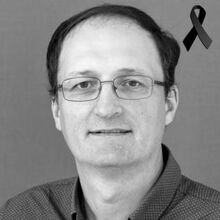
John Paget
ESWI Associate Member, Nivel, The Netherlands
ESWI Tribute to our dear colleague and friend, John Paget 1964-2023
John Paget, senior researcher on infectious diseases at The Netherlands Institute for Health Services Research (NIVEL), was an internationally renowned authority on epidemiology in the field of Influenza, RSV and SARS-CoV-2. He will be remembered for his inquisitive mind and pursuit of tenable solutions to infectious disease challenges. “The diversity makes my work interesting and fun”, he said of his work.
ESWI is very grateful for John’s astute, inspiring, and continuous commitment to educational events on acute respiratory viruses, and for his great support to ESWI Conferences. Our condolences go to his family, his colleagues and the scientific community who worked with him. Gone too soon, he will be dearly missed.

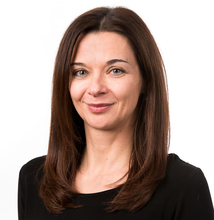
Katherine Kedzierska
University of Melbourne, Australia
Katherine Kedzierska
Nationality: Australian
Position: Professorial Fellow Microbiology and Immunology, University of Melbourne, Australia
Research Fields: Viral Immunology
Professor Katherine Kedzierska is the Head of the Human T cell Laboratory in the Department of Microbiology and Immunology and an NHMRC Senior Research Fellow Level B. Her principal area of expertise is viral immunology.
She received her PhD from Monash University in 2002. Her PhD, performed at the Burnet Institute with Professor Suzanne Crowe, studied immunity to HIV infection and the mechanisms of disease pathogenicity. As an NHMRC Peter Doherty Fellow in the Department of Microbiology and Immunology with Laureate Professor Peter Doherty, Katherine undertook research into the key mechanisms underlying immunological T cell memory formation and persistence. Subsequently, as an NHMRC RD Wright Fellow, then an NHMRC CDF2 Fellow, Katherine has established her independent research on universal immunity to human influenza viruses.
Katherine’s PhD work was recognised by the 2001 Premier’s Commendation for Medical Research, 2002 Monash University Mollie Holman Doctoral Medal and an NHMRC Peter Doherty Postdoctoral Fellowship to pursue her postdoctoral research with Laureate Professor Peter Doherty. In 2007, she was awarded an NHMRC RD Wright Fellowship and grant funding to establish her own research team. She is currently an NHMRC CDF2 Research Fellow and a group leader of the Human T cell Laboratory. Katherine was the recipient of the 2011 NHMRC Excellence Award and the Scopus Young Researcher of the Year Award and the 2016 Australian Academy of Science Jacques Miller Medal for Experimental Medicine. She is an Adjunct Professor at Fudan University in Shanghai, China and a Co-Director of the Sino-Australia Joint Research Laboratory for the Emerging and Re-emerging Infectious Disease Research, Fudan-Melbourne University, located at the Shanghai Public Health Clinical Centre.

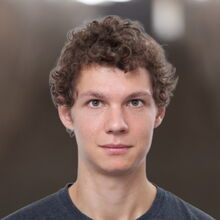
Kevin Ciminski
ESWI Associate Member, University Medical Center Freiburg, Germany
Dr. Kevin Ciminski is a junior research group leader at the Institute of Virology, University Medical Center Freiburg, Germany. His research focuses on virus-host interactions of emerging zoonotic viruses, including the elicited host immune response to viral infections, immunopathology, and transcriptional consequences. Kevin completed his PhD in 2020, studying the previously unknown bat-derived influenza A viruses H17N10 and H18N11 and assessing their zoonotic potential. In 2022, he received seed funding from the University Medical Center Freiburg through the Hans A. Krebs Medical Scientist Program to establish himself as an independent junior research group leader. Since 2023, Kevin is a visiting scientist at the Colorado State University in Fort Collins in the Department of Microbiology, Immunology and Pathology
Related content

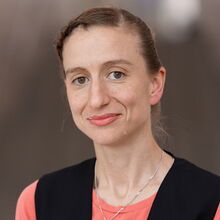
Kirsty Short
ESWI Associate Member, University of Queensland, Australia
Dr. Kirsty Short is an NHMRC research fellow and head of the viral pathogenesis lab at the School of Chemistry and Molecular Biosciences, The University of Queensland.
Dr. Short and her group focus on reducing the severity of emerging respiratory viral infections. Their group performs a large amount of research on the role of chronic metabolic conditions (namely diabetes and obesity) in severe viral infections. Their work also includes a focus on avian influenza (‘bird flu’) in the context of pandemic preparedness.
Their group also works with SARS-CoV-2 with a particular focus on the role of children in disease transmission, the development of novel therapies and reducing disease severity in patients living with diabetes and obesity.
Related content
- The Two-Way Street: When Respiratory Viruses Meet Chronic Illness
- What do B- and T-cells do and how do they respond?
- Should I get the influenza vaccine if I have diabetes and why?
- What is the difference between innate and adaptive immune response?
- Burden of disease - A focus on acute respiratory viruses in older adults
- Spotlight on the burden of flu for people living with diabetes
- Influenza in persons living with diabetes: Pathogenesis and prevention
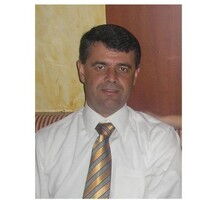
Konstantinos Makrilakis
Board Member IDF, Greece
Dr. Konstantinos Makrilakis is Professor in Internal Medicine, at the first Department of Propaedeutic Medicine and the Diabetes Center, National and Kapodistrian University of Athens Medical School, Laiko General Hospital, Athens, Greece.
Dr. Makrilakis graduated from the National and Kapodistrian University of Athens Medical School (1988), and after completing his PhD at the same University (1992), he did his Residency in Internal Medicine (1993-1996) and Fellowships in Advanced Internal Medicine/Hypertension (1996-1997) and General Internal Medicine (1997-1998), in Chicago, USA. He also completed a “Master’s degree in Public Health” (MPH) in Epidemiology and Biostatistics, at the University of Illinois, Chicago, USA (1999) and is currently finishing Postgraduate Studies in “Health Units Administration” from the Hellenic Open University, Patras, Greece.
He is presently working as a clinical doctor, researcher and educator at the Laiko University Hospital, in Athens, Greece. His research interest is mainly focused on epidemiology and prevention of diabetes and has participated in European Commission-sponsored studies for the prevention of diabetes.
He is a Board member of the Hellenic Diabetes Association; the Hellenic Association of Lipidiology, Atherosclerosis and Vascular Disease and IDF Europe.


Laura GADEA-SALOM
BIOTECMED, Universitat de València, Spain
I completed all my formal studies at the University of Valencia, but I have always been interested in experiencing science beyond my home institution. As an undergraduate, I participated in an Erasmus program at Nottingham Trent University, and during my PhD, I did a three-month internship at the Cologne Cluster of Excellence CECAD at the University of Cologne. Working alongside researchers from different countries has shown me how the diversity of perspectives enriches the scientific process and fosters innovative thinking.


Leyla Kragten
ReSViNET Foundation, The Netherlands
Leyla Kragten-Tabatabaie has a background in Medical Biology and received her PhD in Metabolic diseases in children at the Wilhelmina Children’s Hospital, University Medical Center in Utrecht, The Netherlands. Leyla Kragten-Tabatabaie has been involved from the beginning with the inception, shaping and managing of ReSViNET and has a central role in all ReSViNET activities including communications with ReSViNET (scientific) board, involvement in clinical trials and related educational activities and organizing scientific conferences and masterclasses. She has set up and is the former project leader for the RSV GOLD study, is involved in the ReSViNET activities for the RESCEU study and plays a crucial role in all ReSViNET RSV studies regarding patient advisory board activities, peer-to-peer education for the site study team and overall communication lines between the sponsor, project manager and Principal investigator ensuring clinical trials are smoothly and efficiently rolled-out in the network.

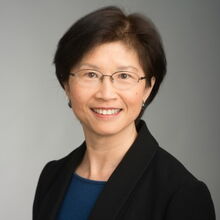
Lin Chen
Mount Auburn Hospital, Boston, United States of America
Lin H Chen currently works at the Travel Medicine Center, Mount Auburn Hospital. Lin does research in Travel Medicine.
Related content

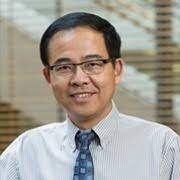
Linfa Wang
Duke-NUS Medical school, Singapore
Prof Wang is a Professor in the Programme in Emerging Infectious Diseases at Duke-NUS Medical School and the inaugural Executive Director of the Programme for Research in Epidemic Preparedness and Response (PREPARE), Singapore. He is one of the world’s leading experts in zoonotic diseases, bat immunology and pathogen discovery.
His early research was at the Monash Centre for Molecular Biology and Medicine. In 1990, he joined the Commonwealth Scientific and Industrial Research Organization (CSIRO), Australian Animal Health Laboratory (AAHL) where he played a leading role in identifying bats as the natural host of the Severe Acute Respiratory Syndrome (SARS) virus. His research then extended from bat-borne viruses to better understand virus-bat interaction and how bats co-exist with a large number of viruses without developing clinical diseases. His recent research contributions include developing antibody based serological tests to detect the SARS-CoV-2 virus, responsible for the COVID-19 outbreak, and the early and successful culture of the virus from an infected patents sample. His team is currently focusing on research into the origin of SARS-CoV-2, developing assays which can better assess vaccine efficacy in the context of a potential immunity passport strategy and novel vaccination strategy to broaden protective immunity against future variants and emerging SARS-related coronaviruses.
Prof Wang is a member of multiple World Health Organization committees on COVID-19. His work has been recognised internationally through various international awards, numerous invited speeches at major international conferences and more than 500 scientific papers including many top scientific publications in Science, Nature, New England Journal of Medicine, Lancet, along with nice patents and many invited book chapters. He holds a number of honorary positions and memberships and has received numerous awards. Prof Wang was elected to the Australian Academy of Technological Sciences and Engineering in 2010 and the American Academy of Microbiology in 2021 in recognition of his expertise in new and emerging diseases. He received the Singapore’s President Science Award in 2021. He is also active internationally by serving on various editorial boards for publication in the areas of virology, microbiology and infectious diseases. He is currently the Editor-in-Chief of the Virology Journal.
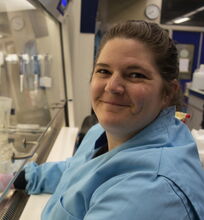
Lisa Bauer
Erasmus MC, The Netherlands
Nationality:
Austrian
Position:
Assistant Professor, Department of Viroscience, Erasmus MC, The Netherlands
Research Fields:
Neuropathogenesis of respiratory viruses, Virus replication, stem cells, organoids, Picornaviruses, Enteroviruses, Influenza A viruses, SARS-CoV-2, Monkeypox virus
Short description:
Lisa is Assistant Professor at the Department of Viroscience at the Erasmus MC. Lisa obtained her PhD in February 2021 in the group of Frank van Kuppeveld at Utrecht University, Netherlands within the European Marie Curie Training Network “Antivirals” where she characterized FDA- approved drugs that inhibit enterovirus replication and developed novel broad-spectrum antientero/rhinovirus compounds. In March 2020, Lisa joined the team of Debby van Riel as a post-doc at the Viroscience Department of Erasmus MC in Rotterdam, Netherlands, where she studied how respiratory viruses spread to extra-respiratory tissues. Her independent research line aims to unravel the complex interplay between viruses and the central nervous system (CNS), focusing on how viruses from various families differentially affect cells of the CNS, trigger neuroinflammation, and disrupt the CNS homeostasis. Her investigation centres on three interconnected questions: (1) how viral infections modulate cellular, immunological, and metabolic responses within neural cells and tissue; (2) viral dissemination pathways within the CNS; and (3) identification of host factors facilitating neuropathogenesis. She employs human induced pluripotent stem cell (hPSC)-derived neural cultures, brain organoids, and organotypic brain slices as experimental models. This platform enabled her to advance our understanding of neuropathological mechanisms in emerging viruses including SARS-CoV-2, MPOX virus, highly pathogenic avian influenza virus H5N1, and enteroviruses.


Lotte Steuten
Office of Health Economics (OHE), UK
Lotte Steuten is a health economist by training and primarily interested in health technology assessment and decision analytic modelling of health innovations.
Alongside her position at OHE, Lotte is a Visiting Honorary Professor at City University of London, a member of the ISPOR Board of Directors and associate editor at Value in Health. She has published >100 peer-reviewed papers.
Lotte’s current research interests include applied health economics, health policy and market access. She specializes in quantitative methods for estimating and comparing the expected health and economic benefits of new interventions across their lifecycle, and novel approaches to efficiently building the evidence for these.


Louise Rowntree
University of Melbourne, Australia
Dr Louise Rowntree is an early-mid career scientist with extensive expertise in viral immunology in vulnerable populations. Louise completed her PhD in 2016 at Monash University investigating human cross-reactive CD8+ T-cells in viral infections.
She joined Professor Tony Purcell's Laboratory (Monash) between 2016-2018 to further explore T-cell cross-reactivity between viral and self-antigens and identify allopeptides. Louise joined Prof Katherine Kedzierska’s Laboratory (UoM) in 2019, where her work focuses on dissecting anti-viral responses in high-risk groups, including First Nations peoples, patients with co-morbidities, children and pregnant women, with an emphasis on T-cell epitope identification and T-cell responses associated with severe disease.
Louise has worked in viral T-cell immunity since 2011, most recently on influenza and SARS-CoV-2. She has published a number of peer-reviewed research articles, exemplified by a world-first report of a SARS-CoV-2 CD8+ T-cell specificity early in the pandemic (PNAS-2020) and publications detailing the establishment of SARS-CoV-2-specific T-cells following COVID-19 infection in adults (Immunity-2021) and children (Immunity-2022). She is the recipient of an Australian Postgraduate Award (2012), Rutherford Fellowship (2018), Best Oral European Federation for Immunogenetics (2015) and Keystone Symposia Scholarship (2022). Her emerging international profile is recognized by internationally invited talks and selected inter/national abstract presentations with travel grants and speaker prizes.

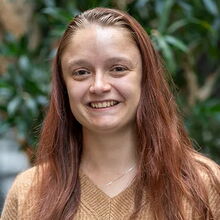
Lucy Greenwood
University of Oxford, UK
Lucy Greenwood is an EPSRC-funded Health Data Science DPhil student at the University of Oxford, in which she is investigating the predictability of the evolution of influenza A H3N2 viruses.
After an integrated master’s in mathematics at the University of Oxford, she undertook an MSc in Modelling for Global Health at the University of Oxford to apply the methods she had learnt to more real-life scenarios.
During this course, she completed a research placement at the National University of Singapore investigating the impact of vaccination on Japanese Encephalitis transmission.
Related content

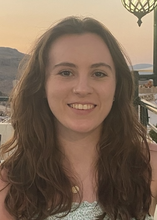
Lucy Mosscrop
Imperial College London, UK
Lucy Mosscrop is a final year PhD student in the group of Professor John Tregoning at Imperial College London, co-supervised by Professor Maria Zambon (UK Health Security Agency/UKHSA) and Professor Peter Openshaw (NHLI, Imperial College London). Her work is supported by the Health Protection Research Unit in Respiratory Infections in collaboration with UKHSA.
Lucy’s research focus is on respiratory syncytial virus (RSV) specifically the fusion or F protein and how it has evolved and may continue to evolve as new interventions are implemented. As part of this work, she has collaborated extensively with UKHSA to help set up an improved RSV whole-genome sequencing assay (WGS) which has since been used to sequence over 1000 RSV-positive clinical samples from the UK (data available on GISAID). She is using this surveillance data to screen for potential RSV monoclonal antibody resistance mutations and test the biological consequences of these changes via reverse genetics systems. Ultimately hoping to establish a pipeline of surveillance, phenotyping and continuous monitoring.


Lwazi Manzi
AU Commission on Africa’s COVID-19 Response, South Africa
Dr Lwazi Manzi is a medical doctor specialised in Emergency Medicine. She obtained her degrees from the University Of Cape Town.
She has a strong history of executive and industry leadership. Her 15 year career spans emergency medicine, music, television and film production and media relations. In 2019 she was appointed Media Liaison Officer and the Spokesperson for the Minister of Health in South Africa during a pivotal period in the history of South Africa’s health policy, namely the introduction of the National Health Insurance bill and through the management of the COVID-19 pandemic. Dr Manzi has been appointed as Head of the newly created Secretariat of the African Union Commission on COVID-19. The Commission will work within the established African Continental Strategy structures and the Africa CDC on the control of the COVID pandemic.


Maarten Postma
Rijksuniversiteit Groningen, The Netherlands
Director Research Institute SHARE; advisor to WHO, EU & Health Council; scientific advisory boards for / scientific advice to various pharmaceutical industries and consultancies, inclusive some RuG spin-offs; various editorships, inclusive PLoS One, Expert Reviews of Pharmacoeconomics & Outcomes Research, Expert Review of Clinical Pharmacology and BMC Health Services Research; assessor for Kenniscentrum (KCE; Belgium); member JCVI; external teacher (for example, Bielefeld, Germany); assessor All Wales Medicines Strategy Group (Grwp Strategaeth Meddyginiaethau Cymru Gyfan), shareholder Health-Ecore; owner Pharmacoeconomics Advice Groningen
Related content

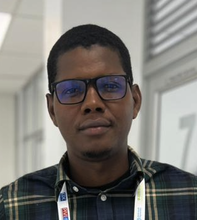
Mamadou Malado Jallow
Medical Virology Unit at the Institut Pasteur de Dakar (IPD), Senegal
Mamadou Malado Jallow graduated from the Senegalese High School in Banjul (The Gambia) in 2012. Subsequently, I was admitted at the University Cheikh Anta Diop de Dakar (Senegal) with a cooperation scholarship to pursue a degree in Biology. In 2015, I was selected to pursue a Master degree in Parasitology after achieving my BSc with a distinction. As part of my thesis, I joined the Pasteur Institute in Dakar in July 2017 and contributed in several research projects. My research interest is to investigate the epidemiology and the genetic characteristics of Influenza A viruses at the human/animal interface as well as the risk assessment of Avian Influenza Virus (AIV) emergence and transmission to Human.

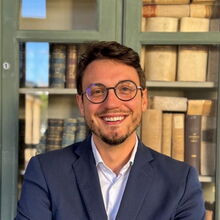
Marco Del Riccio
University of Florence, Italy
Marco Del Riccio is a Medical Doctor specialized in Public Health and Preventive Medicine at the University of Florence, where he currently serves as a Researcher and Assistant Professor. He is also a Guest Researcher at the Netherlands Institute for Health Services Research (Nivel), where he initiated his PhD journey in collaboration with Dr. John Paget. As a PhD candidate, his research explores the impact of the COVID-19 pandemic on the epidemiology and burden of respiratory viruses, as well as preventive medicine strategies. He is completing his PhD at Radboud University Nijmegen under the supervision of Prof. Dr. Aura Timen. He is a member of the Scientific Secretariat of the Adult Immunization Board and other national and international initiatives, including the Global Influenza Initiative (GII) and the Steering Group on Influenza Vaccination. He is also part of the Board of the National Working Group on Communication for Public Health of the Italian Society of Hygiene, Preventive Medicine and Public Health. He is author of over 70 scientific publications in international indexed journals and his main research interests include the epidemiology, burden of disease, and prevention strategies for respiratory infections, as well as vaccine hesitancy and vaccine literacy.

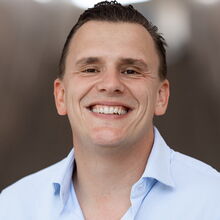
Marco Goeijenbier
ESWI Board member, Spaarne Hospital, The Netherlands
Nationality: Dutch
Position: Intensivist, Spaarne Gasthuis, Amsterdam, The Netherlands; and Senior Scientist, Erasmus MC, Rotterdam, The Netherlands
Research fields: Special interest in acute care and infectious diseases
ESWI member since 2016
Marco Goeijenbier completed his Ph.D. in virology, focusing on "Haemostasis and Virus Infection," at Erasmus University Rotterdam in 2015. He currently serves as a specialist in acute internal medicine and critical care at Spaarne Hospital in Haarlem, The Netherlands. His expertise spans various aspects of infectious diseases, particularly in critical care medicine and viral infections. In addition to his clinical work, Goeijenbier holds a research position at Erasmus MC in Rotterdam, where he mentors PhD students exploring critical care medicine and viral infections. His research interests focus on severe acute respiratory infection (SARI) pathogenesis, epidemiology, and their interaction with the coagulation system.
Some of Goeijenbier’s most published articles include:
- Presence of procoagulant peripheral blood mononuclear cells in severe COVID-19 patients relate to ventilation perfusion mismatch and precede pulmonary embolism
- Determinants of vaccination uptake in risk populations: A comprehensive literature review.
- Benefits of flu vaccination for persons with diabetes mellitus.
- Early Patient-Triggered Pressure Support Breathing in Mechanically Ventilated Patients with COVID-19 May Be Associated with Lower Rates of Acute Kidney Injury
Dr. Goeijenbier is ESWI’s lead member and Chair in the Influenza Diabetes Community (IDC). The IDC connects leading diabetes, patient, scientific, and professional organizations around the common aim of protecting persons living with diabetes from influenza and other viral respiratory diseases like COVID-19.
Starting January 2023, Dr. Goeijenbier has taken on the role of Chair of Medical Research and Education at Spaarne Hospital. Furthermore, since January 2024, Marco is the Editor in Chief for Nature Springer Tropical Diseases, Travel Medicine, and Vaccines.
Related content
- The Two-Way Street: When Respiratory Viruses Meet Chronic Illness
- When Infections Meet NCDs: The Bidirectional Relationship Between Cardiometabolic Conditions and Respiratory Viruses
- If you do not test, you will not know - a focus on COVID-19
- Essential skills and career prospects for early career scientists
- Uncovering the Contrasts and Connections in PASC: Viral Load and Cytokine Signatures in Acute COVID-19 versus Post-Acute Sequelae of SARS-CoV-2 (PASC)
- Can vaccinated individuals still get COVID?
- Is it dangerous to get an influenza and COVID-19 vaccine at the same time?
- Presence of procoagulant peripheral blood mononuclear cells in severe COVID-19 patients relate to ventilation perfusion mismatch and precede pulmonary embolism
- Burden of acute respiratory virus infections
- The Ninth ESWI Influenza Conference: Highlights
- The bidirectional relationship between influenza and diabetes mellitus
- Burden of disease - Long-Covid and other post-infection syndromes
- Virus infections, blood clots and bleeding
- Spotlight on the burden of flu for people living with diabetes
- What about respiratory virus infections? Prevention for people living with diabetes in Covid times
- COVID-19 Treatment and Medication
- Influenza in persons living with diabetes: Pathogenesis and prevention


Maria Van Kerkhove
WHO, Switzerland
Dr. Maria Van Kerkhove is the COVID-19 Technical Lead for the World Health Organization and the Head of Emerging Diseases and Zoonoses in WHO’s Health Emergencies Programme. She is an infectious disease epidemiologist.
Van Kerkhove’s research spans zoonotic emerging and re-emerging high threat pathogens such as avian influenza, MERS-CoV, SARS, SARS-CoV-2, Ebola, Marburg, plague and Zika. She is responsible for the health operations and technical aspects of the global COVID-19 response as well as developing strategies for the prevention, preparedness and control of epidemic and pandemic zoonotic pathogens. For more than 25 years, her research has focused on factors associated with transmission between animals and humans, the epidemiology of zoonotic pathogens, and ensuring that research directly informs public health policies for action.
Van Kerkhove completed her undergraduate degree at Cornell University, an MS Degree in epidemiology at Stanford University and a PhD in infectious disease epidemiology at the London School of Hygiene and Tropical Medicine. Prior to joining WHO in 2017, she was the Head of the Outbreak Investigation Task Force at Institut Pasteur’s Center for Global Health, in Paris, where she was responsible for establishing public health rapid response teams for infectious disease outbreaks. Her previous roles include a senior fellow at Imperial College London in the MRC Center for Outbreak Analysis and Modelling, and an epidemiologist at the Institut Pasteur in Cambodia.