ESWI Education Hub provides articles and links to important scientific papers, reviewed by the ESWI Board members, and other online educational activities
Search experts on our site

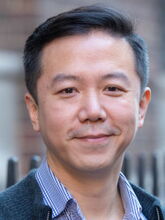
Chris Chiu
Imperial College London, UK
Nationality: British
Position: Professor of Infectious Diseases, Faculty of Medicine Imperial College London
Research Fields: Human respiratory viral infection
Chris Chiu is an Infectious Diseases physician and Immunologist. He underwent his basic medical training at Cambridge and Oxford Universities, and was later awarded a Wellcome Trust Clinical Research Training fellowship to undertake a PhD with Charles Bangham and Margaret Callan, initially at the Weatherall Institute of Molecular Medicine (University of Oxford) and then at Imperial College London, to show the transcriptional programming of early CD8 T cell responses to acute viral infection. On completion of his specialist training, he was awarded an MRC Clinician Scientist fellowship and furthered his research by working with Rafi Ahmed's group at Emory University, examining antibody, B cell and T cell responses to influenza and varicella zoster virus vaccines.
His research interests focus on pathogenesis and protective immunity in human respiratory viral infections, including respiratory syncytial virus (RSV), influenza and SARS-CoV-2. These are some of the most important causes of severe disease worldwide and there is an urgent need for improved vaccines and treatments for these pathogens. To discover why some people suffer life-threatening illness while others have only mild or asymptomatic infection, he has developed a set of unique experimental medicine techniques. He is an expert in human infection challenge studies and leads a group that uses infection and vaccination of volunteers as well as patient-centred research to investigate systemic and mucosal immunity against these infections. These highly specialised methods provide a unique opportunity to examine correlates and mechanisms of protection and disease severity in human beings. The work encompasses early phase clinical vaccine trials as well as fundamental studies of human immunity, which together enhance our understanding of how respiratory viral illnesses may be prevented and accelerate the development of better vaccines.
Prof Chiu also heads the Imperial Network for Vaccine Research, which brings together investigators from across all faculties with an interest in vaccines, and is Scientific and Research Officer of the British Infection Association. His group is part of a number of international consortia, including the NIAID CIVICs programme and European Union IMI projects, and welcomes collaboration with researchers (both industry and academic) who wish to work together to pursue their shared interests.

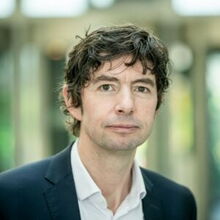
Christian Drosten
Charité Universitätsmedizin Berlin, Germany
Christian Drosten has a clinical virology background. He started working on virus detection when PCR-based blood donor screening was developed in the 1990s by his supervisor Kurt Roth at University of Frankfurt. After his thesis he moved on to work on emerging viruses at the Bernhard Nocht Institute for Tropical Medicine in Hamburg. Having discovered the SARS agent in 2003, he started working on coronaviruses more specifically, with a focus on their cross-host adaptive processes. In recent years he has done a lot of work on principal epidemiological aspects of MERS in humans and camels. Description of viral diversity, mainly of RNA viruses in mammalian and insect hosts, has been another interest ever since. Several projects in Africa have resulted from this work.
Over the past three years he moved most of his team from the university of Bonn to Charité. Several former group members have become independent during the process, and he has given high priority to assisting them in establishing their own groups.
He still co-supervises a few PhD projects that started during the transition time.
He has co-developed Charité Global Health for which he is acting as the scientific director.


Clare Taylor
Writer, editor, founder @Falconry Press, Ireland
My work centres on communicating ideas and policies for a better world; favourite topics include sustainable energy, environment and concepts like One Health.
I especially love talking with people who are experts in their field.
Mostly I am a word-worker, typical projects include media advocacy, supporting national authorities' implementation of EU energy directives, writing and research for TV and podcast series, documentaries and journalism. As a former magazine publisher, I enjoy skilful communications, wicked problems and well-plotted thrillers.
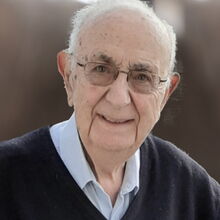
Claude Hannoun
ESWI Honorary member, former Institut Pasteur, France
Dr. Hannoun’s education includes a Ph.D. in Microbiology, which he earned in Paris, France.
Dr. Hannoun is an expert at the WHO (viral diseases). His former positions include: Director of the National Influenza Reference Centre, Professor at the Pasteur Institute, Associate Professor at the Université of Paris VII, Scientific Director of GROG systems (Groupes Régionaux d’Observation de la Grippe), Director of the WHO Collaborating Centre for influenza and other respiratory viruses, Honorary Professor at the Pasteur Institute and Vice-President of ‘Société Française de Microbiologie’. He was Co-Founder and Chairman of ESWI from 1992 until 1998. He was Co-Organiser of the Conference ‘Options for the control of influenza II’ Courchevel in December 1992, the Conference “Options for the Control of Influenza IV” in Crete in 2000 and of the “First European Influenza Conference” (ESWI) in Malta in 2002. He was also Editor-in-Chief of the ‘European Journal f Epidemiology’.
Dr. Hannoun’s scientific activities are mainly oriented towards virological and epidemiological studies on arboviruses and influenza. The activity of several arboviruses so far unknown in France has been demonstrated as having occurred between 1960 and 1975, the most important being the West Nile virus. During the following years, national and international development of surveillance networks (GROG) for early detection of influenza epidemics and applications in the field of control of influenza (vaccines and antivirals) and other respiratory viral infections have been major subjects of interest, together with research programmes on virus structures. He pays special attention to infections caused by influenza virus type C and on the characteristics of this little known virus. Further studies in the field of influenza include evaluation of immunisation adjuvants, antiviral screening and tissue culture vaccines in addition to the epidemiological surveillance of respiratory viral infections.
Related content

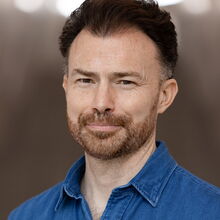
Colin Russell
ESWI Chair, Academic Medical Center, University of Amsterdam, The Netherlands
Nationality: American, British
Position: Professor of Applied Evolutionary Biology, University of Amsterdam Faculty of Medicine
Research field: Virus Evolution
ESWI member since 2019
Colin Russell is a professor at the University of Amsterdam School of Medicine. His research focuses on the evolutionary dynamics of human respiratory viruses and the immune responses that control them. He has worked extensively on the within-and-between host evolution of influenza viruses, influenza virus vaccine composition, and issues related to diagnostic and sequencing resource allocation for virus surveillance. Professor Russell regularly advises a wide variety of international organisations, including WHO, on topics ranging from surveillance to pandemic preparedness, vaccine design, and test-to-treat programs. Colin is the Chair of the ESWI since 2023 and the Chair of the EU Steering Group on Influenza Vaccination since 2024.
Related content
- Satellite Symposium: A Shot in the Arm: Leveraging Combination Vaccines for Global Health Impact
- Competition between transmission lineages mediated by human mobility shapes seasonal influenza epidemics in the US
- Wrap up - Unpacking intervention strategies for acute respiratory viruses
- Uncovering the Contrasts and Connections in PASC: Viral Load and Cytokine Signatures in Acute COVID-19 versus Post-Acute Sequelae of SARS-CoV-2 (PASC)
- When should you take antiviral drugs?
- What is hybrid immunity?
- Scientific highlights of the 9th ESWI Influenza Conference
- Determinants of epidemic size and the impacts of lulls in seasonal influenza virus circulation
- Webinar: Immunisation & Treatment
- Burden of acute respiratory virus infections
- The Ninth ESWI Influenza Conference: Highlights
- Burden of disease - The economic and societal impact of acute respiratory viruses
- ESWI pandemic preparedness summit: where science and policy meet
- Celebrating ESWI 30 years!
- SARS-CoV-2 diagnostic testing rates determine the sensitivity of genomic surveillance programs
- “Flu, COVID and RSV: How to vaccinate?” symposium at Options XI
- Using mathematical modelling to predict virus evolution and inform pandemic response
- ESWI Summit 2022: Pandemic Preparedness, Where Science and Policy Meet


Corine Geurts van Kessel
Erasmus MC, The Netherlands
Nationality: Dutch
Position: Assistant Professor Virology, Erasmus MC, The Netherlands
Research fields: Immunity against emerging viruses
Dr Corine Geurts van Kessel obtained her medical degree at the Erasmus University Rotterdam, the Netherlands, in 2004. In 2009, she achieved her PhD at the departments of Virology and Pulmonary Medicine, on the role of dendritic cell subsets in influenza virus immunity. After her training as a clinical microbiologist at Erasmus MC in Rotterdam she now works as a clinical microbiologist/virologist at the department of Viroscience, Erasmus MC.
As a clinical virologist, Corine Geurts van Kessel performs expert consultations for patients of the Erasmus MC and for other hospitals within and outside the Netherlands. She leads the diagnostic laboratories of serology and virus culture, and is a member of the WHO reference laboratory of viral hemorrhagic fever, arboviruses and SARS CoV-2. She has a specific (research) interest in filling the knowledge gaps in disease kinetics, immunity and diagnostics of (emerging) zoonotic infections.
The risk of emergence and spread of human pathogens originating from an animal reservoir has increased in the past decades, with COVID-19 being an example for the impact this can have.
It is her goal to contribute to a global approach in epidemic and pandemic preparedness against emerging viruses. She does this by combining her expertise in clinical virology and clinical studies with a keen interest in viral immunity.

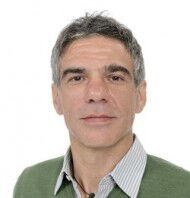
Corrado Cilio
Diabetes – Immunovirology, Lund University,
Professor Diabetes - Immunovirology at Faculty of Medicine, Lund University and a MD in pediatrics. He is Principal Investigator in EXODIAB, a joint strategic research initiative in the diabetes area at Lund University (LU) and Uppsala University (UU) with the aim to create a national leading resource for diabetes research.
Corrado Cilio’s research focus is on the immunological mechanisms underlying autoimmune diseases. “We need to learn how the immune system works in order to understand what happens when it doesn’t, when the body’s own tissues are attacked and people get sick”, says Corrado Cilio.
Corrado Cilio came to Sweden from Rome in Italy where he studied medicine and started working on his doctoral thesis. He did one year of his specialist training in Umeå where he was offered to continue his PhD education. The next stop after the dissertation in Umeå was Lund University Diabetes Centre.


Dan Howarth
Head of Care for Diabetes, UK
Dan Howarth is the Head of Care for Diabetes UK. He has been a Diabetes Specialist Nurse (DSN) since 2005 and has been based in the UK, New Zealand and Belgium. He is a registered nurse in the UK, Australia, and New Zealand. Dan’s sub specialty is insulin therapy, young adults, and inpatient/emergency management. Dan completed his Cert in diabetes care at the University of Warwick at the start of his DSN career, and has since completed post grad advanced practice at the University of Auckland. He later completed an MSc in Diabetes Care at the University of Salford, Manchester.
Dan has worked with in most areas of diabetes management, including community and inpatient care in the UK. He moved to New Zealand to set up a young adult clinic and co-lead on the regional DAFNE group. After three years growing and evolving the MDT young adult service Dan returned to Europe and worked for the International Diabetes Federation (IDF). During his time at IDF in Brussels, Dan managed various global education projects which included regular training provided to health professionals across the world. Dan has been at Diabetes UK since April 2016, prior to that, he returned to the South Pacific and was clinical lead for inpatients at Waitemata DHB, Auckland, NZ. Dan thrives on the educating people about diabetes, so much so he continues this work in his own time and often volunteers with international charities in Palestine, India, South East Asia and the Pacific Islands.
Dan is a passionate rugby fan. He has played for various different clubs and is currently the club captain of his team in London.

David Addiss
Task Force for Global Health, United States of America
David Addiss, MD, MPH is Director of the Focus Area for Compassion and Ethics (FACE) at the Task Force for Global Health in Decatur, Georgia. For 20 years he worked on neglected tropical diseases as a medical epidemiologist at the US Centers for Disease Control and Prevention. He has held positions in academia, migrant health, and philanthropy.

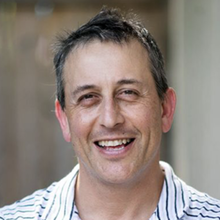
David Fisman
University of Toronto’s Dalla Lana School of Public Health, Canada
Fisman is a professor of epidemiology at the Dalla Lana School of Public Health at the University of Toronto and a practicing internist with a focus on infectious diseases at Michael Garron Hospital.
He is a physician epidemiologist with research interests that fall at the intersection of applied epidemiology, mathematical modelling, and applied health economics. He is interested in developing and applying novel methodological tools that allow physicians and public health experts to make the best possible decisions around communicable disease control, using the best available data.
Fisman completed a residency in internal medicine at both McGill and Brown Universities, before completing a fellowship at the Beth Israel Deaconess Medical Centre in Boston, and a Master of Public Health from Harvard School of Public Health. Dr. Fisman was also an AHRQ fellow in health policy at the Harvard Centre for Risk Analysis from 1998 to 2001.


David Heymann
Chatham House, UK
David Heymann holds a BA in general science from Penn State University, an M.D from Wake Forest School of Medicine, and a DTM&H from London School of Hygiene and Tropical Medicine (LSHTM). He is currently Professor of Infectious Disease Epidemiology at LSHTM and Head of the Centre on Global Health Security at Chatham House, London. From 2012 to March 2017 he was chairman of Public Health England.
For 22 years Heymann was based at the World Health Organization (WHO) in Geneva on secondment from the Centers for Disease Control and Prevention (CDC) during which time he rose from Chief of Research of the Global Programme on AIDS to Founding Director of the Programme on Emerging and other Communicable Diseases. He then was named Executive Director of the Communicable Diseases Cluster, a position from which he headed the global response to SARS, and finally was named Assistant Director for Health Security and the Director General’s Representative for Polio Eradication.
Before joining WHO Heymann was based for 13 years in sub-Saharan Africa on assignment from CDC where he worked Cameroon, Cote d’Ivoire, DRC and Malawi. During this period he participated in the response to the first, second and third outbreaks of Ebola hemorrhagic fever in DRC, investigated human monkeypox outbreaks throughout central and western Africa, and supported ministries of health in field research aimed at better control of malaria, measles, tuberculosis and other infectious diseases. Prior to joining CDC Heymann worked in India for two years as a medical epidemiologist in the WHO smallpox eradication programme.
Heymann is an elected fellow of the Institute of Medicine of the National Academies (US) and the Academy of Medical Sciences (UK), and has received seven different public health awards, including the Heinz Award on the Human Condition, that have provided funding for the establishment of an on-going mentorship programme at the International Association of Public Health Institutes (IANPHI).
Heymann has published over 200 peer reviewed articles, commentaries and book chapters, and is the editor of the Control of Communicable Diseases Manual, a major global reference for public health and health protection. In 2009 he was appointed an honorary Commander of the Most Excellent Order of the British Empire (CBE) for service to global public health.
Related content

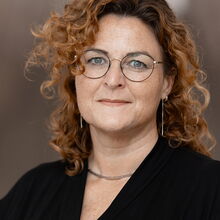
Debby Van Riel
ESWI Associate Member, Erasmus MC, The Netherlands
Nationality: Dutch
Position: Associate Professor, Department of Viroscience, Erasmus MC, The Netherlands
Research Fields: Pathogenesis of respiratory virus infections; Neurological complications; Systemic Inflammation; Influenza A viruses; SARS-CoV-2; Enterovirus D-68;
Short description:
Debby van Riel is an Associate Professor at the Department of Viroscience, Erasmus MC, The Netherlands. After obtaining her MSc at the John Moores University in the UK, she continued her PhD studying the cell tropism of influenza viruses, which she defended in 2010. Since then her research focuses on the pathogenesis of extra-respiratory complications of respiratory virus infections, such as influenza A viruses (seasonal, pandemic and zoonotic influenza viruses), Enterovirus-D68, and SARS-CoV-2. These studies have revealed important new insights into the mechanism of systemic virus dissemination, routes of virus invasion into the central nervous system, systemic inflammatory responses, and the development of central nervous system complications. Her work has been published in leading scientific journals including Science, Lancet, New England Journal of Medicine, Nature Materials and Trends in Neurosciences and she received multiple prestigious personal grants (a.o. Veni, Vidi, Aspasia, EUR fellowship, Erasmus MC fellowships) and prizes (ESWI award, Beijerinck Premium).
Related content

Science journalist specialising in infectious disease and author of “Stopping the Next Pandemic”, France

Debora MacKenzie
Science journalist specialising in infectious disease and author of “Stopping the Next Pandemic”, France
Position: Journalist, New Scientist
Debora MacKenzie has been a major contributor to New Scientist, the British science and technology weekly, since 1982. For many years she has mostly written about infectious disease, arms control, resource management, fisheries, food production, issues emerging from social complexity and the scientific understanding of social phenomena such as migration, denialism, economic development and political organisation. Her educational background is in biology, with graduate work in electrophysiology and pharmacology. She has lived in continental Europe since 1980, formerly in Brussels, currently near Geneva, Switzerland.
Her recent book “Stopping the next pandemic, how COVID-19 can help us save humanity” was published in 2020 and revised in 2021 published by The Bridge Street Press:
In a gripping, accessible narrative, she lays out the shocking story of how the COVID-19 coronavirus pandemic happened and how to make sure this never happens again.


Dexter Wiseman
Imperial College London, UK
Dexter Wiseman is a Clinical Research Fellow at the National Heart and Lung Institute and an Honorary SpR at the Royal Brompton and Harefield NHS trust. He is also a trainee Respiratory and General Internal Medicine physician in the North West London deanery.
As part of his research project Dexter is currently working in Professor Jadwiga 'Wisia' Wedzicha's lab, helping run the London COPD exacerbation cohort. His research interests include viral causes for COPD exacerbation, specifically looking at the role RSV (Respiratory Syncytial Virus) has to play both at exacerbation and during periods of stability.
Dexter is a member of the international consortium RESCEU (REspiratory Syncytial virus Consortium in EUrope) and works closely with Professor Peter Openshaw and Dr Ryan Thwaites investigating the immunological markers of RSV susceptibility in COPD patients.

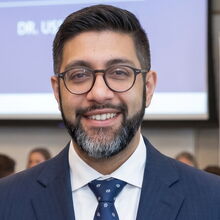
Dheeraj Sethi
Chelsea & Westminster Hospital, Imperial College London, UK
I am a Respiratory Resident undertaking a Research Fellowship at Chelsea & Westminster and Imperial College London, where I contribute to prospective cohort studies, commercial trials and population-based research. I have a specific interest in infection and immunology, hence am excited to starting my PhD with the COPD group at Imperial College in September. I will focus on exacerbations and the longer-term sequelae of infection in this cohort.
I am currently studying the impact of acute respiratory viruses (with a focus on hMPV) on cardiovascular morbidity.
Related content


Dipti Patel
University College London Hospitals NHS Foundation Trust, UK
Dipti Patel is a specialist in occupational medicine and travel medicine. She is Director of the National Travel Health Network and Centre (NaTHNaC) in the UK, and the Chief Medical Officer at the UK Foreign Commonwealth and Development Office (FCDO). She is also an Honorary Lecturer in Population Health, Health Services Research and Primary Care within the School of Health Sciences at Manchester University.
She is a member of the UK Advisory Committee on Malaria Prevention, the Travel Subcommittee of the Joint Committee on Vaccination and Immunisation, and the WHO International Travel and Health Guideline Development Group.
Dipti is an associate editor for Travel Medicine and Infectious Diseases, and co- editor of the ABC of Occupational and Environmental Medicine.
Related content

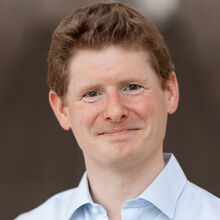
Ed Hutchinson
ESWI Board member, University of Glasgow, UK
Nationality: British
Position: Professor, MRC-University of Glasgow Centre for Virus Research
Research fields: Molecular biology of influenza viruses
ESWI member since 2015
Prof. Hutchinson received his PhD from the University of Cambridge and was then a postdoctoral scientist at the University of Oxford from 2009 – 2016. In 2016, he set up a research group at the MRC-University of Glasgow Centre for Virus Research, where he is now Professor of Molecular and Cellular Virology.
Hutchinson’s research looks at the factors that make influenza and other respiratory viruses infectious, including the morphology and composition of virus particles, the way in which viruses interact and spread within the host and how these factors shape the course of a respiratory infection. He was named ‘Young Microbiologist of the Year’ by the Microbiology Society in 2007 and has held fellowships including a Junior Research Fellowship at Worcester College Oxford (2010 – 2014) and an MRC Career Development Award (2016 – 2021).
Hutchinson has an ongoing interest in science communication, winning the 2008 Biosciences Federation’s New Researcher Science Communication Award and the 2021 Microbiology Society’s Microbiology Outreach Prize, and in the training of postgraduate research students and early-career researchers. As well as being a member of ESWI since 2015, he sits on the Microbiology Society’s Virus Division and leads the Steering Group for the UK’s Influenza Update Meetings.
Related content
- Transdisciplinary Approaches for Pandemic Preparedness
- First human bird-flu death from H5N5 – what you need to know
- Transdisciplinary Approaches for Pandemic Preparedness
- What are the key differences between monoclonal antibodies and vaccines?
- Scary-sounding new virus in the news? Here are the questions you should ask
- Superinfection exclusion creates spatially distinct influenza virus populations
- Visualising Viruses

Deputy Head of Unit Directly transmitted and Vaccine-preventable Diseases (ECDC) , Italy
Edoardo Colzani
Deputy Head of Unit Directly transmitted and Vaccine-preventable Diseases (ECDC) , Italy
Edoardo Colzani is a medical doctor and epidemiologist with a Master of Public Health from the Harvard School of Public Health and a PhD in breast cancer epidemiology at the Karolinska Institute in Stockholm. He has been assistant professor of public health at the University of Milano-Bicocca until 2015.
He joined ECDC in 2011 where he has focused on the burden of communicable diseases in Europe, assessment of EU accession countries, evidence-based approaches for scientific advice, and vaccine-preventable disease. During the pandemic he acted as strategic analyst and led the scientific advice team. Since 2022, he has led the respiratory virus team at ECDC where he is currently Head of Section.
He is also Deputy Head of Unit Directly-transmitted and Vaccine-preventable Diseases.

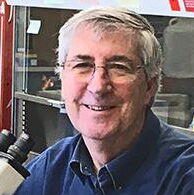
Edward Walsh
University of Rochester, United States of America
Dr Walsh received an undergraduate degree in Chemistry from Manhattan College and an MD degree from SUNY-Downstate Medical Center in 1974. He completed his residency at the URMC Strong Memorial Hospital in 1977 and a fellowship in Infectious Diseases in 1982. Since then he has been faculty in the Department of Medicine and a member Infectious Diseases division at the University of Rochester. Dr Walsh is head of the ID unit at Rochester General Hospital where his clinical activities and research activities are based.
Related content

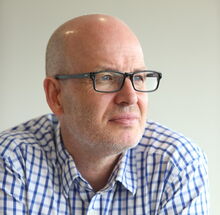
Edward Holmes
University of Sydney, Australia
Professor Eddie Holmes is known for his work on the evolution and emergence of infectious diseases, particularly the mechanisms by which RNA viruses jump species boundaries to emerge in humans and other animals. He currently holds an NHMRC Leadership Fellowship and is Professor of Virology at the University of Sydney. He moved to the University of Sydney in 2012. He has studied the emergence and spread of such pathogens as SARS-CoV-2, influenza virus, dengue virus, HIV, hepatitis C virus, myxoma virus, RHDV and Yersinia pestis. His previous appointments include Verne M. Willaman Chair in the Life Sciences at the Pennsylvania State University, USA, and Affiliate Member of the Fogarty International Centre (2005-2012), National Institutes of Health, USA. From 1999-2004 he was Fellow of New College, Oxford. In 2021 he received the (Australian) Prime Minister's Prize for Science. He is the author of 713 peer-reviewed papers and two books.

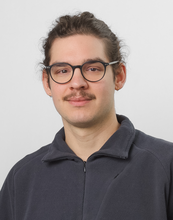
Elias Bendl
University Medical Center Freiburg, Germany
Elias studied biology at the University of Hamburg and molecular biology and physiology at the University of Greifswald. In 2025 he finished his PhD at the Institute of Virology in Freiburg, under the supervision of Prof. Dr. Kochs, working on tick-bore Orthomyxoviruses.
He continues working in Freiburg as a postdoctoral researcher in the research group of Dr. Peter Reuther, mainly investigating mechanisms of non-cytolytic clearance and host-cell survival after RNA virus infection.
Related content


Elisa Milani
Ambrosetti EU, Italy
Elisa Milani is a Milan-based healthcare professional currently working as a Senior Consultant and Project Coordinator in the Healthcare Area at The European House - Ambrosetti (TEHA Group) in Italy. She specializes in health policy, mental health, and strategic consulting for the healthcare sector.

Associate Director European Policy Centre and Head of the Social Europe and Well-being programme, Belgium

Elizabeth Kuiper
Associate Director European Policy Centre and Head of the Social Europe and Well-being programme, Belgium
Elizabeth Kuiper is Associate Director and Head of the Social Europe and Well- being programme at the European Policy Centre.
Beyond her role as an Associate Director, Elizabeth heads the EPC's Social Europe and Well-being programme. Her focus is on EU health policy and further developing the concept of the economy of well-being, linking up the EPC's research on health care, social equality, sustainability and economic governance.
Before joining the EPC, Elizabeth was Executive Director Public Affairs at the European Federation of Pharmaceutical Industries and Associations (EFPIA), where she was leading the organisation’s advocacy and external engagement strategy and maintained a strong network of contacts with policymakers and other stakeholders. Amongst others, she led the industry’s Brexit Task Force and created the Brexit4Patients multistakeholder coalition, to ensure that patients’ interest were put first in the Brexit negotiations.
In 2010, Elizabeth transferred to the Permanent Representation of the Netherlands to the EU in Brussels. There, she represented the Netherlands’ interests on health policies, pharmaceuticals and medical devices. She led negotiations on (inter alia) the Clinical Trials regulation, the Medical Devices Regulation and the Transparency Directive; and followed the European Semester process, including the implementation of the Country Specific Recommendations at national level. During her tenure at the Permanent Representation, she was responsible for briefing the Coreper-I Ambassador on healthcare related files and advised and supported senior officials and government Ministers before, during, and after EU negotiations. She also represented the Netherlands at relevant public/stakeholder events.
Early in her career, she served as a political advisor to the Dutch Minister of Health, Welfare and Sports in the Balkenende-IV cabinet. She was responsible for managing relations with Members of Parliament and offered political advice and support to the Minister of Health on issues related to healthcare and social policy. In this role, Elizabeth regularly accompanied and assisted the Minister to Brussels for EPSCO Councils, as well as to Members States holding the Council of the Presidency of the European Union for so-called informal meetings of Health Ministers. She also assisted the Minister of Health in his engagement with US policymakers in the context of ongoing discussions about the Health Care Reform legislation, eventually leading to the adoption of the Affordable Care Act in 2010.
Elizabeth lives in Brussels and enjoys reading political biographies and visiting contemporary art exhibitions as much as she can. She also fights fast fashion in her capacity as Brand Ambassador for a sustainable fashion brand.


Emilie Karafillakis
University of Antwerp, The Vaccine Confidence Project, UK
Emilie Karafillakis is the lead for European Research at the Vaccine Confidence Project (VCP), with appointments at the London School of Hygiene and Tropical Medicine as well as at the University of Antwerp (European office of the VCP).
She has around 10 years of experience as a social scientist, working in international research and teaching in academia. In her position at the VCP, Emilie leads and contributes to social science, qualitative research, systematic literature reviews and digital analyses to explore confidence in vaccination among parents, adolescents and healthcare professionals and assess effective communication and community engagement strategies. Her research has focused on confidence in HPV vaccination, maternal vaccines as well as influenza and COVID-19 vaccines.