ESWI Education Hub provides articles and links to important scientific papers, reviewed by the ESWI Board members, and other online educational activities
Search experts on our site


Eric Simoes
Colorado School of Public Health, United States of America
Dr. Simoes is working with the World Health Organization for the management of common pediatric conditions in developing countries (Integrated Management of Childhood Illness) and studies the epidemiology, pathogenesis, and prevention of the short- and long-term effects of respiratory syncytial virus infection in children. Dr. Simoes has played a significant role in the World Health Organization's initiative to reduce childhood and infant mortality throughout the world with the development of a strategy called "Integrated Management of Childhood Illness." He has worked on this initiative since 1989, including testing and implementing its guidelines in many countries throughout Africa, Asia, and Europe.
Related content


Ervin Fodor
University of Oxford, UK
Nationality: British, Slovakian-Hungarian
Position: Professor of Virology
Research Fields: Influenza virus molecular biology
Short discription:
Professor Fodor obtained his MSc in Chemical Technology from the Slovak University of Technology in Bratislava. He worked as a Research Assistant at the Institute of Virology of the Slovak Academy of Sciences in Bratislava before pursuing graduate studies with Professor George Brownlee at the University of Oxford, where he earned his DPhil in Pathology in 1995. After completing his doctorate, he conducted postdoctoral research with Dr Peter Palese at the Icahn School of Medicine in New York. In 2002, he was awarded an MRC Senior Non-Clinical Research Fellowship to establish his research group in the Sir William Dunn School of Pathology at the University of Oxford. After a brief period as an Associate Professor, he was appointed as Professor of Virology in 2011 at the University of Oxford.
Professor Fodor’s research interests are centred on RNA viruses, particularly influenza viruses, and more recently coronaviruses. His research focuses on the fundamental molecular mechanisms used by viruses to transcribe and replicate their RNA genome, the role of host factors in these processes, and cellular responses to viral infection. In collaboration with Professor Jonathan Grimes from the Division of Structural Biology at the University of Oxford, he contributed to understanding the structural basis of influenza virus RNA synthesis by determining structures of the influenza virus RNA polymerase complex.
Professor Fodor has published extensively in leading scientific journals, including Nature, Nature Microbiology, Cell, Molecular Cell, and PNAS. He is the recipient of the 2019 AstraZeneca Award from the Biochemical Society. Professor Fodor is a fellow of the Academy of Medical Sciences and was elected as a member of EMBO in 2021.

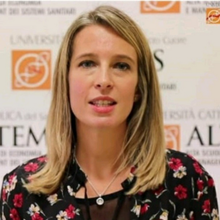
Federica Morandi
High School of Economics and Management of Healthcare Systems (ALTEMS), Italy
Dr Federica Morandi, Phd is Assistant Professor of Organisation Theory and Human Resource Management at Università Cattolica del Sacro Cuore and Director of Academic Programs and Research in ALTEMS (Rome, Italy). She is a member of the EHMA Programme Directors’ Group. Her research interests include the managerial and practical implications of the introduction of new organisational models within healthcare organizations, the study of the behavioural features of healthcare professionals, the human resource management policies, and perspectives within hospitals. Federica’s work has been published in internationally renowned journals. Federica’s research have been presented in a number of international conferences.
Related content

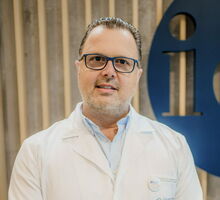
Federico Martinón-Torres
University of Santiago, Spain
MD, PhD, Head of Paediatrics, Director of Translational Paediatrics and Infectious Diseases at the Hospital Clínico Universitario de Santiago (Spain), Associate Professor of Paediatrics at the University of Santiago and Academician of the Royal Academy of Medicine and Surgery of Galicia.
His main research interests are: vaccines, infectious diseases, meningococcal disease, host genetics, and biomarkers. He has directly managed or directed as PI more than 50 competitive research projects (2 FP7, 4 H2020 and 3 IMI2), 80 phase I to III vaccine clinical trials, and 25 collaboration grants related to infectious diseases and genomics.

University Hospital Besancon Franche-Comté and University Marie & Louis Pasteur, Besancon, France

Fiona Ecarnot
University Hospital Besancon Franche-Comté and University Marie & Louis Pasteur, Besancon, France
Originally from Dublin, Ireland, Dr. Fiona Ecarnot works as a researcher at the Cardiology Department of the University Hospital of Besançon, France, and affiliated with the SINERGIES research laboratory at the University Marie & Louis Pasteur, Besqnçon, France.
She received an MSc in biostatistics and epidemiology from the University of Franche-Comté, Besançon, and obtained a PhD at the same university in 2019 in the field of cardiovascular sciences, focussing on the use of qualitative research methods in the field of cardiology.
She qualified as a director of doctoral research in 2024. Her research areas include vaccines, geriatrics and gerontology, ethics in healthcare, palliative care, and end-of- life issues.
She has authored or co-authored over 100 articles in peer-reviewed journals, plus numerous book chapters.

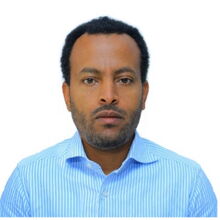
Fiseha Wadilo Wada
Armauer Hansen Research Institute, Addis Ababa, Ethiopia
Nationality: Ethiopian
Position: PhD Student, Addis Ababa University and Armauer Hansen Research Institute, Addis Ababa, Ethiopia
Research Fields: Viral Etiologies and diagnostic biomarkers of acute lower respiratory infections, the burden and prevention strategies options of RSV in Africa
Short description: Fiseha Wadilo Wada has successfully completed his Bachelor's Degree (BSc) in Medical Laboratory Technology, followed by earning his Master's Degree (MSc) in Medical Microbiology. He has been serving as a university lecturer at Wolaita Sodo University for over four years, where he teaches courses such as medical microbiology, immunology, virology, parasitology, and clinical laboratory methods. Furthermore, he has published 19 research papers in reputable international journals. Currently, his research focuses on investigating the viral etiologies and diagnostic biomarkers of acute lower respiratory infections in children under the age of five in Addis Ababa, Ethiopia. He is also actively involved in researching various prevention strategies for RSV.
Related content

ESWI Board member, Icahn School of Medicine at Mount Sinai, USA, and Medical University of Vienna, Austria

Florian Krammer
ESWI Board member, Icahn School of Medicine at Mount Sinai, USA, and Medical University of Vienna, Austria
Nationality: Austrian
Position: Professor of Vaccinology at the Department of Microbiology at the Icahn School of Medicine at Mount Sinai (New York, USA) and Professor of Infection Medicine at the Medical University of Vienna (Austria)
ESWI member since 2022
Florian Krammer, PhD, graduated from the University of Natural Resources and Life Sciences, Vienna. He received his postdoctoral training in the laboratory of Dr. Peter Palese at the Icahn School of Medicine at Mount Sinai, New York working on hemagglutinin stalk-based immunity and universal influenza virus vaccines.
In 2014 he became an independent principal investigator and is currently the endowed Mount Sinai Professor of Vaccinology at the Icahn School of Medicine at Mount Sinai. He is also the co-director of the Center for Vaccine Research and Pandemic Preparedness (C-VaRPP). Furthermore, since 2024, Dr. Krammer is Professor for Infection Medicine at the Ignaz Semmelweis Institute at the Medical University of Vienna.
Dr. Krammer's work focuses on understanding the mechanisms of interactions between antibodies and viral surface glycoproteins and on translating this work into novel, broadly protective vaccines and therapeutics. The main target is influenza virus but he is also working on coronaviruses, flaviviruses, hantaviruses, filoviruses and arenaviruses. He has published more than 400 papers on these topics. Since 2019, Dr. Krammer has served as principal investigator of the Sinai-Emory Multi-Institutional Collaborative Influenza Vaccine Innovation Center (SEM-CIVIC), which develops improved seasonal and universal influenza virus vaccines that induce long-lasting protection against drifted seasonal, zoonotic and future pandemic influenza viruses.
Related content
- Human monoclonal antibodies that target clade 2.3.4.4b H5N1 hemagglutinin
- Implementation of adult and risk groups national immunisation programmes
- Science, Public Health, and Funding in a changing world
- Characterization of the glycoproteins of novel fish influenza B-like viruses
- Next-generation seasonal influenza virus vaccines need a neuraminidase component
- Flu vaccines - advancements, challenges, and global impact
- What is the difference between monovalent and polyvalent vaccines?
- How are vaccines made?
- A chimeric haemagglutinin-based universal influenza virus vaccine boosts human cellular immune responses directed towards the conserved haemagglutinin stalk domain and the viral nucleoprotein
- The Nomadic Life of a Scientist
- Is eradication of influenza B viruses possible?
- SARS-CoV-2-infection- and vaccine-induced antibody responses are long lasting with an initial waning phase followed by a stabilization phase
- Sequential vaccinations with divergent H1N1influenza virus strains induce multi-H1 cladeneutralizing antibodies in swine
- We need to keep an eye on avian influenza
- Universal flu vaccines – soon a reality?
- Why Are Lots of Kids Likely to Be Sick This Holiday Season?
- Assessment of a quadrivalent nucleoside-modified mRNA vaccine that protects against group 2 influenza viruses
- 8th International Influenza Meeting
- Childhood Influenza Vaccination and treatment in a COVID-19 era


Frederic Bouder
University of Stavanger, Norway
Nationality: French
Position: Professor Risk Management at the University of Stavanger, Norway
Short Description:
He is a recognised expert in risk policy analysis and has deployed this expertise to develop and maintain strategic international policy networks. His awareness of the role that new modes of governance and the media play in policy making is a central pillar of his research. Frederic Bouder has integrated cognitive insights from decision science into making risk policy more science-informed. Frederic Bouder has made tangible impacts on policy, in particular several of his recommendations have been endorsed and implemented by European and national regulators and policymakers.
Related content
- Satellite Symposium Communicating for Change – Innovative Strategies to Boost Adult Immunisation (an ESWI symposium supported by an educational grant from GSK)
- Satellite Symposium Communicating for Change – Innovative Strategies to Boost Adult Immunisation
- Science, Public Health, and Funding in a changing world

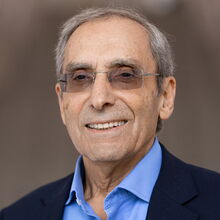
George Kassianos
ESWI Board Member, Occupational Health Physician, UK
Nationality: British and Cypriot
Position: Family Physician. National Immunisation Lead Royal College of General Practitioners. President British Global & Travel Health Association.
Research Fields: Primary Care Vaccinations
Dr George Kassianos is a GP and the National Immunisation Lead of the Royal College of General Practitioners of which he is a Fellow. He is also President and Fellow of the British Global and Travel Health Association (BGTHA) and Fellow of the Faculty of Travel Medicine at the Royal College of Physicians and Surgeons Glasgow (RCPSG), the International Society of Travel Medicine (ISTM), the European Society of Cardiology (ESC), the British and Irish Hypertension Society (BIHS), The Academy of Medical Educators, and the Higher Education Academy.
Dr Kassianos is Chair of RAISE [Raise Awareness of Influenza Strategies in Europe], a Pan-European Group (20 countries) on influenza, and Board Member of the European Scientific Working Group on Influenza (ESWI). He has served as medical editor of four medical journals, currently serves on a number of editorial boards, and is Associate Editor (Primary Care) of ‘Drugs In Context’ international journal.
Dr Kassianos was the recipient of the Royal College of General Practitioners’ Foundation Council Award (2018), the most prestigious award for services to the College and General Practice.
In October 2020, Queen Elizabeth II appointed Dr Kassianos Commander of the Order of the British Empire (CBE) for his services to General Practice and Travel Medicine.
Related content
- Implementation of adult and risk groups national immunisation programmes
- Implementation of adult and risk groups national immunisation programmes
- ESWI invites coalition partners: Life Course Immunisation: A Seamless Approach to Protection Across All Ages
- Why not a 95-95-95 strategy for influenza by 2030?
- Why vaccinate from a very early age?
- The influenza landscape and vaccination coverage in older adults during theSARS-Cov-2 pandemic: data from Several European Countries and Israel
- Immunisation & Treatment - Travel preparedness and vaccinations
- Influenza Vaccines: What Does the mRNA Platform Have to Offer?
- Reaching for New Heights: Breaking Down Influenza Trends and Prevention Efforts
- Impact of General Practitioner Education on Acceptance of an Adjuvanted Seasonal Influenza Vaccine among Older Adults in England
- What COVID-19 Vaccines Can and Cannot Do: Setting Realistic Goals in the Current Pandemic
- Vaccinations to consider before, during, and after pregnancy
- Childhood Influenza Vaccination and treatment in a COVID-19 era


George Valiotis
EHMA, Belgium
Experienced Executive Director with an award winning history of innovation for social change. An experienced NGO leader with an interest in the intersection of health and human rights. My practice focus is on strategy, evaluation, and governance.

Goncalo Souza Pinto
International Pharmaceutical Federation (FIP), Spain
Gonçalo Sousa Pinto is a freelance pharmacy consultant based in Barcelona, Spain. He works mostly for the International Pharmaceutical Federation (FIP) and the General Pharmaceutical Council of Spain. Previously, he had worked for FIP as Liaison Officer for Latin America.
He writes occasionally for pharmacy-related publications, including the International Pharmacy Journal. He graduated as a pharmacist from Oporto University (Portugal) in 2000. He also holds an MA in Global Arts from Goldsmiths, University of London.

Gülsah Gabriel
ESWI Board member, Leibniz Institute of Virology, Germany
Nationality: German
Position: Head of Department, Leibniz Institute of Virology (Germany); and Professor of Virology, University of Veterinary Medicine Hannover, Germany
Research fields: Interspecies transmission and pathogenesis of influenza A viruses; High-risk groups of influenza (pregnancy, asthma, obesity); New antiviral strategies against influenza
ESWI member since 2009
Gülşah Gabriel is head of the department Viral Zoonoses - One Health at the Leibniz Institute of Virology (LIV) in Hamburg and professor for Viral Zoonoses at the University of Veterinary Medicine Hannover. Her research focus is to understand the molecular basis of influenza A virus interspecies transmission from birds to humans as well as pathomechanisms in high-risk groups.
During the COVID-19 pandemic, her research group was among the first to identify key pathomechanisms that are currently discussed to contribute to long-term consequences after acute respiratory infections. These include SARS-CoV-2 replication in human adipose tissue (Zickler et al., Cell Metabolism 2022) and altered sex hormone metabolism in COVID-19 patients (Schroeder et al., Emerging Microbes & Infections 2021; Stanelle-Bertram et al., Cell Reports Medicine 2023).
In 2009, Gülşah Gabriel was the first winner of the ESWI Best Body of Work Award. She was elected Vice Chair of ESWI in 2014. She has received many prestigious awards for her research, e.g. the Robert-Koch Förderpreis awarded from the Robert-Koch Foundation, the Best Minds Award from the Leibniz Association and the DZIF Award for Translational Infection Research from the German Center for Infection.
Since 2024, Gülşah Gabriel is speaker of the newly established Leibniz Lab Pandemic Preparedness: One Health, One Future that combines the expertise of 41 Leibniz Institutes from various disciplines with practical knowledge to develop evidence-based strategies that permanently strengthen the pandemic resilience of science and society.

University of Veterinary Medicine, Research Center for Emerging Infections and Zoonoses, Germany, Germany

Guus Rimmelzwaan
University of Veterinary Medicine, Research Center for Emerging Infections and Zoonoses, Germany, Germany
Guus F. Rimmelzwaan is Alexander von Humboldt Professor in Virology at the Research Center for Emerging Infections and Zoonoses (RIZ) of the University of Veterinary Medicine (TiHo) in Hannover. His main research interests are virus vaccine development, immunologic defense mechanisms against influenza and other virus infections, Viral immune evasion and Virus-host interactions.
Guus Rimmelzwaan was trained as a biologist (MSc) at the Free University of Amsterdam. He obtained his PhD in 1990 on the thesis entitled “ Canine parvovirus infection: Novel approaches to diagnosis and immune prophylaxis” at the National Institute of Public Health and Environmental Protection, Bilthoven, The Netherlands, where he also worked as post-doctoral fellow on FIV vaccine development between 1990 and 1992. Between 1992 and 1994 he worked as a post-doctoral fellow in the field of HIV-1 vaccine development at the Academic Medical Center in Amsterdam, the Netherlands and at the National Cancer Institute in Frederick, MD, USA. Between 1994 and 2017, he worked as professor in Immuno-virology at the Department of Viroscience of the Erasmus Medical Center in Rotterdam, the Netherlands as workgroup leader of the influenza immunology group.
Guus Rimmelzwaan (co)-authored >330 articles and contributed to various books related to vaccinology. He organized courses in virology for PhD students, postdoctoral fellows and clinical microbiologists and a Practical Training Course in Influenza. He also participated as expert in various national committees on the prevention of influenza.


Hanna Nohynek
Finnish Institute for Health and Welfare, Finland
Hanna Nohynek is a Finnish MD PhD, Chief Physician with special competences in international and travel health. She works in the Infectious Diseases Control and Vaccines Unit, Dept Health Security at the Finnish Institute for Health and Welfare (THL), which is a governmental public health research agency. She served as the secretary of the Finnish NITAG until 8/2023, still being a member, and is chairperson of the WHO SAGE, and former chairperson of the WHO SAGE working group on covid-19 vaccines. After coordinating several Phase II trials and major Phase III trial on 11PCV against childhood pneumonia in the Philippines until 2010, Nohynek joined THL, where her research responsibilities are in register-based vaccine impact studies, evidence-based policy/decision making, vaccine safety, acceptance, SARS-CoV-2, RSV, influenza, and pneumococcus. She co-leads IMI funded PROMISE consortium´s WP Preparation for future RSV product assessment (www.imi-promise.eu) and was co-leading the WP on communications of the IMI-funded DRIVE project (www.drive-eu.org). She authored >180 original articles; lectures, guides elective, graduate and PhD students. She belongs to Scientific Faculty of ADVAC (2000-), initiated EPIET vaccine module (1997-), and the Finnish Diploma Course Global Health (2000-). She initiated THL Finnish Vaccinators Manual and Finnish Travel Health Advisory. She has served expert national and international committees evaluating vaccines, and is advisor to many international organizations, incl European Medical Agency, International Vaccine Institute, Korea and icddr.b, Bangladesh.

Heidi Theeten
Department of Care of the Flemish government, Belgium
Heidi Theeten, MD, PhD, currently has a main position in the infectious disease control team of the Care department (Departement Zorg) of the Flemish government, where she started in October 2020. She joined the vaccine subunit of this team in 2023. Next to this, she has an academic position at the Vaccine and Infectious Disease department, University of Antwerp, where she works since 2001. She coordinated clinical vaccine studies of various diseases, seroprevalence studies at national level as well as vaccination coverage studies in Flanders. As a postdoctoral researcher, she added research on CMV and immunosenescence, and on pneumococcal nasopharyngeal carriage in infants in Belgium. She still teaches in the master of Medicine at UAntwerpen and in the inter-universitary manama Youth Health Care, as an associate professor.
Related content

Heidi Larson
Founder and Director of the Vaccine Confidence Project, UK
Prof. Heidi J. Larson, PhD, is an anthropologist and Director of The Vaccine Confidence Project (VCP); Professor of Anthropology, Risk and Decision Science, Dept. Infectious Disease Epidemiology, London School of Hygiene & Tropical Medicine (LSHTM); Clinical Professor, Institute of Health Metrics & Evaluation, University of Washington; Guest Professor at the University of Antwerp, and a Chatham House Centre on Global Health Security Fellow.
Prof. Larson previously headed Global Immunization Communication at UNICEF, chaired Gavi’s Advocacy Task Force, and served on the WHO SAGE Working Group on vaccine hesitancy. She is author of STUCK: How Vaccine Rumors Start – and Why They Don’t Go Away (Oxford University Press, 2020). In 2021, she was awarded the Edinburgh Medal and BBC named her as one of the 100 most influential women in the world.
Dr. Larson previously headed Global Immunisation Communication at UNICEF, chaired GAVI’s Advocacy Task Force, and served on the WHO SAGE Working Group on vaccine hesitancy. The VCP is a WHO Centre of Excellence on addressing Vaccine Hesitancy.
Prof. Larson’s research focuses on the analysis of social and political factors that can affect uptake of health interventions and influence policies. Her particular interest is on risk and rumour management from clinical trials to delivery – and on building public trust and public cooperation during emergencies such as disease outbreaks, natural disasters, terrorism and conflict. She served on the FDA Medical Countermeasure (MCM) Emergency Communication Expert Working Group, and is Principle Investigator of the EU-funded (EBODAC) project on the deployment, acceptance and compliance of an Ebola vaccine trial in Sierra Leone. Her research focuses on managing risk and rumours.
Prof. Larson has recently joined the Centre for the Evaluation of Vaccination (CEV) (University of Antwerp) as associate professor, as the CEV at the Antwerp University will host the European regional Office of the Vaccine Confidence Project as of May 15, 2019, and will closely collaborate with VCP partners at European level on implementing the Vaccine Confidence Index and developing and evaluating interventions to address vaccine hesitancy.She is author of STUCK: How Vaccine Rumors Start – and Why They Don’t Go Away (Oxford University Press, 2020).


Iacopo Del Panta Ridolfi
The European House – Ambrosetti (TEHA), Italy
Iacopo Del Panta is a Milan-based healthcare professional currently working as a Consultant in the Healthcare Area at The European House - Ambrosetti (TEHA Group) in Italy. He specializes in healthcare strategy, policy analysis, and strategic consulting for the healthcare sector


Irene Gonzalez-Dominguez
Icahn School of Medicine at Mount Sinai, United States of America
Irene González-Domínguez, PhD, is Assistant Professor in the Department of Microbiology at the Icahn School of Medicine at Mount Sinai. Her research focuses on the development of innovative preventive and therapeutic strategies against viral infections, with a particular emphasis on vaccine design and immunotherapeutics.
Over the past decade, Dr. González-Domínguez has built extensive expertise in the molecular design of virus-like particles (VLPs), the generation of viral vector vaccines (including NDV-based platforms), and the establishment of animal models to evaluate vaccine efficacy. Her current work targets high-priority areas such as universal influenza vaccines and therapeutic strategies for persistent SARS-CoV-2 infections in immunocompromised individuals. Dr. González-Domínguez earned her PhD in Biotechnology from the Autonomous University of Barcelona. She is inventor in multiple patents in vaccine innovation and has published extensively in high-impact journals such as Nature Communications, Molecular Therapy, Science Translational Medicine, and npj Vaccines.
Beyond the lab, she serves as the General Secretary of the Spanish Association of Scientists in the USA (ECUSA) and is an active mentor to the next generation of biomedical scientists.
Related content


Irene Gonzalez
Icahn School of Medicine Mount Sinai, United States of America
Biotechnology graduate by Universitat Politècnica de València, with the M.S.c in Nanoscience and Advanced Nanotechnology. I did my thesis at Universitat Autònoma de Barcelona in Professor Gòdia’s group, focused on characterization and purification of virus-like particles (VLPs). I am proactive, self-driven and hard-working. I enjoy working in dynamic, enriching environments, where I can always keep learning and growing personally and professionally.
Related content

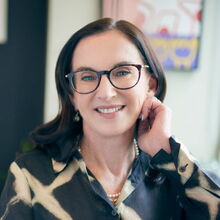
Jane Barratt
Global Advisor on Ageing, Health and Social Policy, Canada
With over 30 years of global leadership in health and ageing, Dr. Jane Barratt is a trusted voice at the intersection of policy, practice, and purpose. As the former Secretary General of the International Federation on Ageing, she has helped shape major international frameworks—from the WHO Immunization Agenda 2030 to the UN Decade of Healthy Ageing—always championing systems that respect and respond to the dignity of older people.
Today, Jane works at the leading edge of global health reform—advising institutions, convening bold conversations, and speaking around the world on what ageing truly demands of us.
Her work bridges silos. Her words move rooms. And her focus is unwavering: evidence, equity, and action.
Related content
- Spotlight on the Interdisciplinary Disease Collaboration on Respiratory Infections and NCDs (IDC)
- ESWI Airborne: Shaping the Future of Respiratory Virus Research
- Satellite Symposium Communicating for Change – Innovative Strategies to Boost Adult Immunisation
- Burden of disease - A focus on acute respiratory viruses in older adults
- RSV looking towards the future


Janet Englund
Seattles Children’s Hospital, United States of America
Janet A. Englund, MD: Professor of Pediatric Infectious Diseases. My research interests include the study of vaccine-preventable diseases and viral respiratory diseases in young children and immunocompromised hosts, including transplant recipients, as well as the evaluation of antiviral therapy for the prevention and treatment of viral diseases.
As a leader in the field of infectious diseases (ID), respiratory viruses, and infections in children, I have particular interests in assessing the epidemiology of the study of viral infections and assessing vaccine effectiveness. As a member of the CDC-sponsored New Vaccine Surveillance Network, I work with Dr. Klein to direct protocol development and patient enrollment to assess viral epidemiology and vaccine effectiveness for acute respiratory and gastrointestinal disease. Our Pediatric ID Research group is actively involved in the follow-up of pregnant women and a longitudinal study of children infected with SARS-CoV-2. Over the past 30 years, I have had extensive experience in initiating, managing, and analyzing clinical trials, vaccine studies, and national and international research protocols, in addition to a track record for successful collaborative research. I have played leadership roles in multicenter, federally-sponsored networks and research trial units, including the NIH-sponsored AIDS Clinical Trials Unit, the Vaccine Treatment and Evaluation Unit, and New Vaccine Surveillance Network (NVSN). My interest in protecting patients from viral diseases has contributed to national and international policies regarding pediatric immunization with rotavirus and papillomavirus vaccines, and maternal immunization with respiratory syncytial virus, influenza and pertussis vaccines. I am enthusiastic to work to further our understanding of important respiratory and enteric viral infections, and to contribute to controlling the spread of SARS-CoV-2.
Related content


Jaroslaw Waligora
European Commission, DG SANTE, Luxembourg
Dr Jarosław Waligóra is a Deputy Head of Unit in the Health Security unit in the European Commission’s Directorate General for Health and Food Safety. In the same directorate he worked before on heath research, rare diseases, cancer, nutrition and physical activity policy. By training he is Medical Doctor, Paediatrician and specialist in Clinical Genetics. He obtained his PhD at the Medical University of Warsaw.
Related content

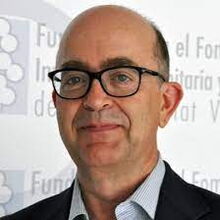
Javier Diez-Domingo
FISABIO, Spain
Dr. Javier Diez-Domingo is Head of the Vaccine Research Department, MD paediatrician (1987), PhD degree (1990).
He has over 235 scientific papers with more than 2.200 citations. He has devoted more than 20 years of clinical epidemiological research on vaccines and immunopreventable diseases, and has worked as PI in more than 40 clinical trials with vaccines. Expert on evaluation of new drugs in paediatrics for the EMA. Member of different Ethics Committees since 2000 and President of the DG-Public Health EC since 2015. Active member of the European Society for Paediatric Infectious Diseases (ESPID), chair of the Committee for Education, member of the Spanish Pediatric Society, the Spanish Vaccinology Association and the International Society for Vaccines.


Jenna Guthmiller
University of Colorado Anschutz School of Medicine, United States of America
Jenna Guthmiller earned bachelor’s degrees in Biology, Biotechnology, and Microbiology from South Dakota State University in 2013. She earned a PhD in Microbiology and Immunology under the mentorship of Dr. Noah Butler at the University of Oklahoma Health Sciences Center in 2017. She completed her postdoctoral training at the University of Chicago with Dr. Patrick Wilson.
The Guthmiller lab is interested in understanding how broadly protective humoral immunity against influenza viruses develops and can be harnessed by vaccination. We are also interested in understanding the co-evolution of influenza viruses and the humoral immune response.
- The adaptive immune system does not respond to all parts of an antigen evenly, a phenomenon known as immunodominance. In the context of influenza, the B cell response is preferentially induced against the variable epitopes of the hemagglutinin (HA) domain rather than more conserved epitopes of the HA stalk domain. We are investigating the factors that regulate immunodominance and developing tools to shift immunodominance to the HA stalk domain.
- The breadth and specificity of the humoral immune response against influenza viruses is shaped by past influenza virus exposure. We are investigating how past exposures and exposure routes shape the development of broadly neutralizing antibodies.
- Antigenic drift of influenza virus HA is driven to evade host antibody responses. We are dissecting how 1) antibodies against distinct epitopes shape viral evolution and 2) and how viral evolution shapes infectivity and pathogenesis.